1 / 1
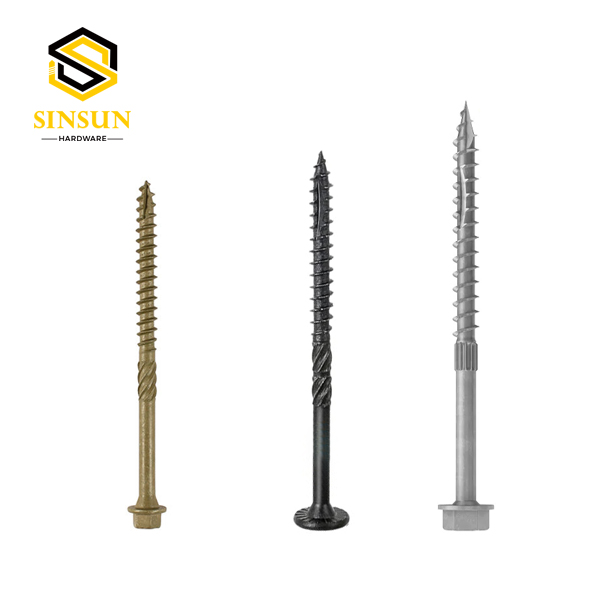
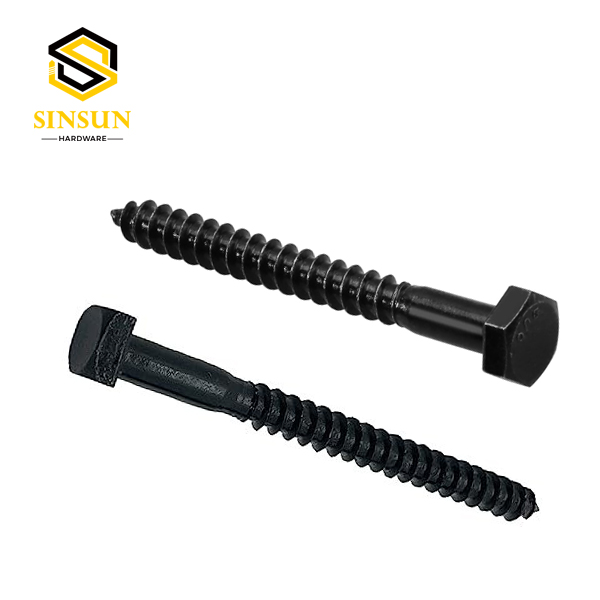
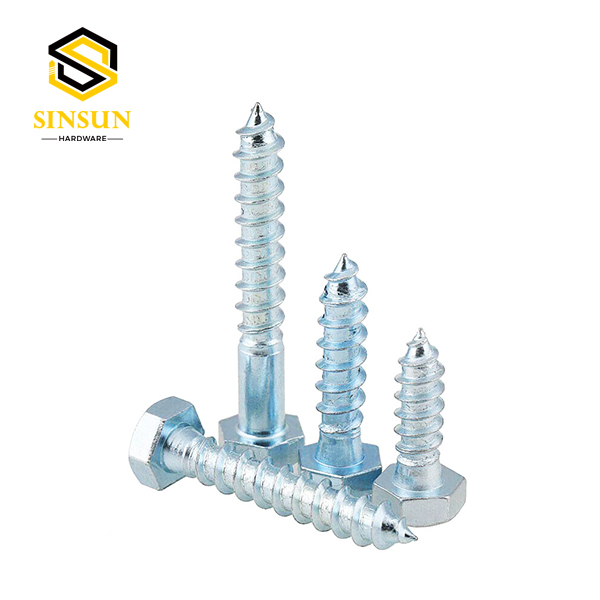
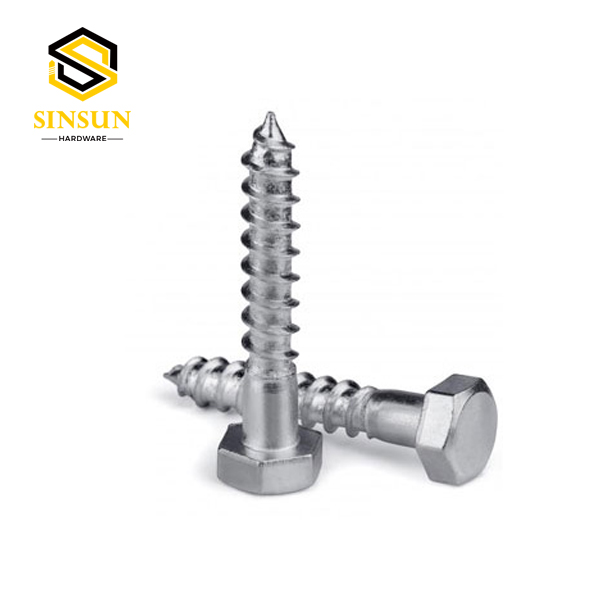
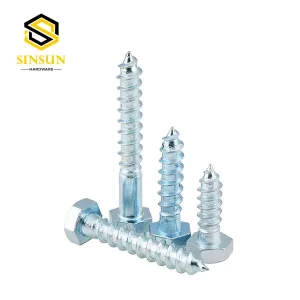
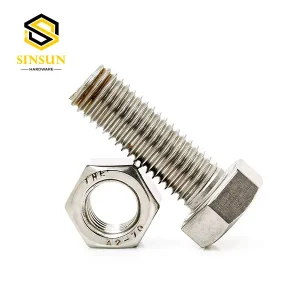
Lag screws, commonly referred to as lag bolts, are heavy-duty wood screws designed for fastening heavy lumber and structural timbers together. They are widely used in load-bearing wood constructions like decks, wooden frames, bridges, and landscaping walls.
Yes, drilling a pilot hole is essential when installing lag screws. This step prevents the wood from splitting, reduces the physical torque required to drive the screw, and helps ensure straight alignment and maximum holding power.
Stainless Steel (SS304/316) lag screws provide exceptional resistance to rust and corrosion, making them perfect for outdoor, marine, or treated lumber projects. Black Oxide & E-Coated lag screws offer a clean aesthetic with moderate corrosion resistance, typically chosen for indoor or decorative architectural timber designs.
For standard secure fastening, the lag screw should penetrate into the receiving piece of wood by a depth of at least 4 to 7 times the diameter of the screw shank. This ensures optimal tension and prevents the screw from pulling out under heavy loads.
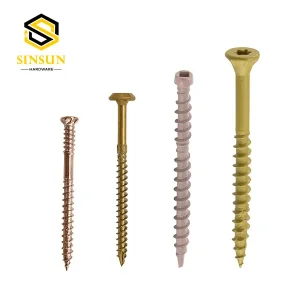
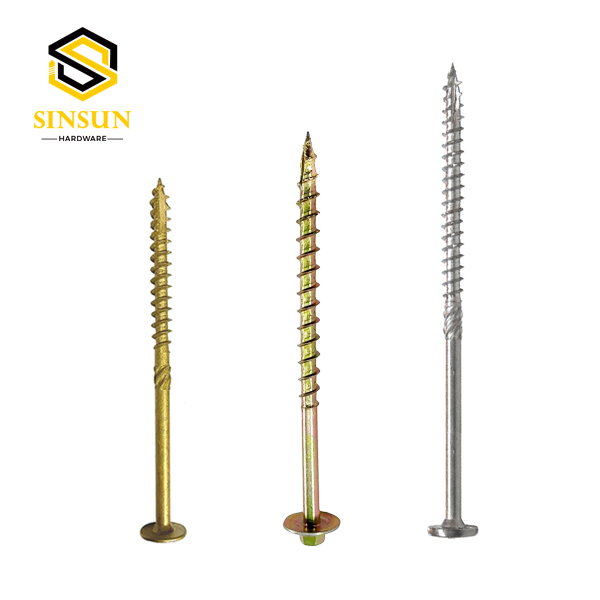
Yes. Structural lag screws are engineered with modern heat-treated steel and feature specialized threads that often do not require pre-drilling. They typically carry specific structural load ratings and are designed for faster installation compared to traditional heavy-duty hex-head lag screws.