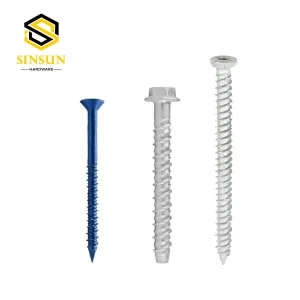
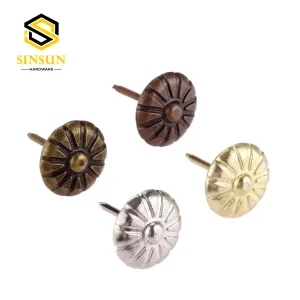
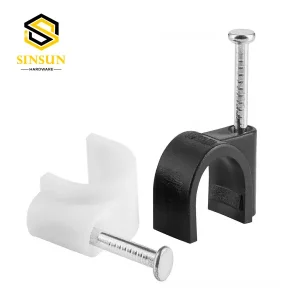
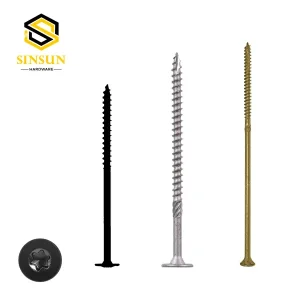
Explore our industrial-grade catalog of nails, screws, staples, anchors, and bespoke fastening elements.
The Engineering and Science Behind Flange Bolt, Nut, and Lock Washer Assemblies
In heavy industrial applications, mechanical vibration, thermal expansion, and shearing forces pose persistent threats to joint integrity. Standard fasteners often experience tension relaxation over time. Flange bolt, nut, and lock washer sets resolve this challenge by combining three optimized mechanical components. The integral flange on the bolt and nut distributes clamping force over a broader surface area, reducing localized surface pressure and protecting delicate mating surfaces.
Lock washers provide continuous spring tension within the joint, maintaining high preload levels even when subjected to cycling loads. Split ring, tooth lock, or ribbed lock washers store kinetic energy when compressed, pressing outward against the bolt head and nut. This mechanical constant counters relaxation effects, preventing threads from backing out during operation.
By integrating these elements, assembly teams avoid the need for separate flat washers. The flat base of the flange provides a consistent coefficient of friction, minimizing torque variation during installation. This helps operators achieve precise and predictable clamping force, which is essential in pipelines, structural framing, and automotive assembly lines.
Market dynamics pushing industrial buyers toward integrated, corrosion-resistant fastening components.
The global market for industrial fasteners is undergoing a paradigm shift. Procurement directors at engineering, procurement, and construction (EPC) companies are increasingly moving away from sourcing loose components. Sourcing discrete bolts, nuts, and washers from different factories creates quality variance, complicates inventory management, and raises total assembly costs. Instead, global purchasing organizations now prioritize pre-matched flange bolt, nut, and lock washer sets delivered by certified suppliers who can guarantee metallurgical consistency.
Additionally, environmental and regulatory policies are driving demand for advanced surface treatments. Conventional hex bolts are no longer sufficient for offshore wind farms, solar trackers, or automotive chassis. Modern projects require coatings that can endure long periods without red rust. Suppliers are adapting by moving from traditional electroplating to advanced zinc flake, hot-dip galvanizing, and electroplated zinc-nickel finishes.
High-speed rails and electric vehicles rely on lightweight yet high-strength steel fasteners. Integrated flange designs eliminate washer migration, securing components against persistent high-frequency vibrations.
Bridges, warehouses, and steel structures use large flange bolts to distribute load over structural steel plates, preventing local indentation and ensuring the integrity of the connection.
Solar tracking assemblies and wind turbines demand fasteners that can withstand harsh weathering. Pre-assembled bolt sets simplify field installation, saving labor costs in remote project sites.
The largest self tapping screw production base in northern China & global supplier of high-quality fasteners
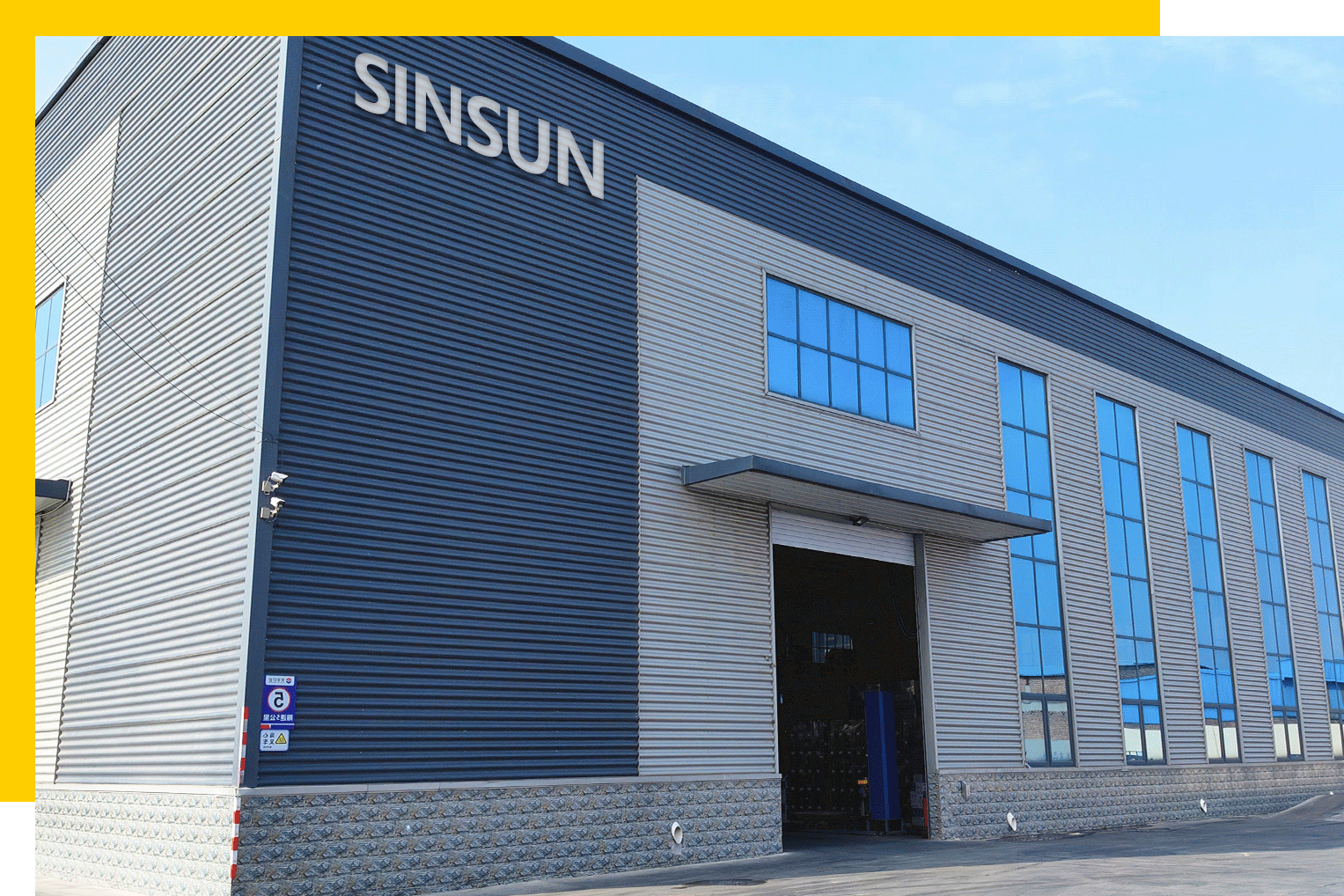
Established in 2006, Sinsun Hardware operates a modern 30,000 sqm integrated production facility. As a leading manufacturer of fasteners in Northern China, we produce over 20,000 SKUs of nails, screws, wires, and rivets. Our operations include automated drawing facilities, heat treatment lines, and a 12,000 sqm smart warehouse holding over 18,000 pallets.
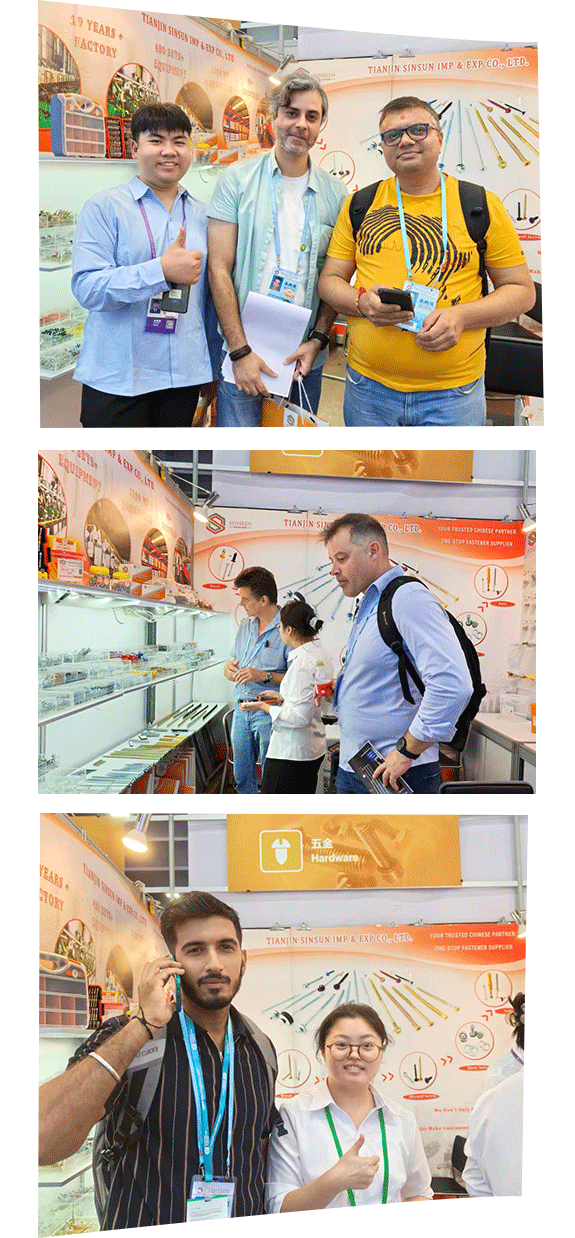
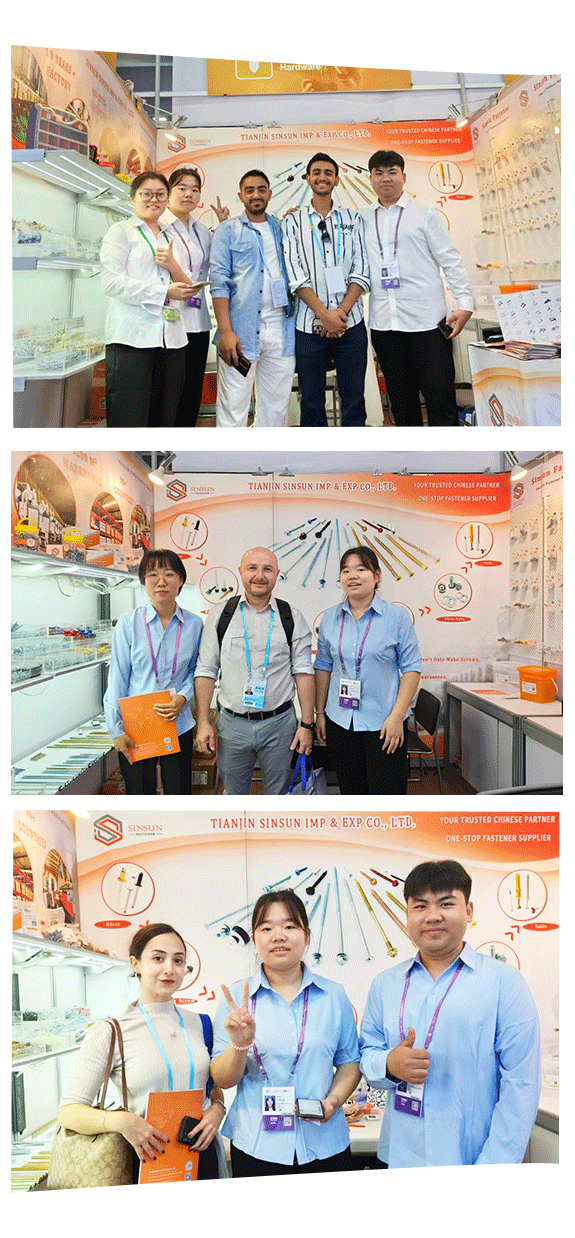
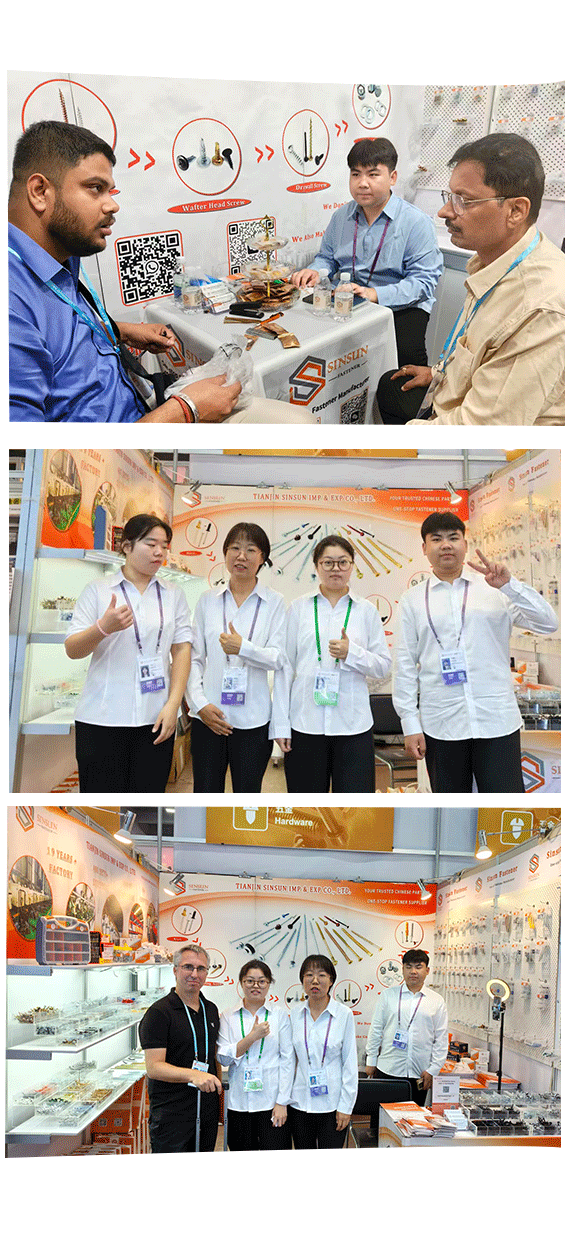
We ship over 8,500 containers annually to major markets in the Middle East, Southeast Asia, South America, and Russia. Our technical team works directly with global purchasing departments to deliver tailored OEM and ODM fastening solutions.
Request a Fastener CatalogOur journey of expansion, modernization, and technological integration since 2006.
Sinsun was founded with a focus on manufacturing self-tapping screws. This early specialization built our technical expertise in thread geometries and metal cold-forming.
We established our dedicated Export Department. Expanding our reach beyond domestic trade, we brought our products to construction and manufacturing sectors globally.
We expanded operations by adding four spheroidizing annealing furnaces and wire drawing systems. This vertical integration allows us to inspect and prepare raw steel wire rod before forming.
We modernized our cold-heading lines by importing multi-station machines from Germany and tooling technology from Taiwan. This upgrade improved dimensional tolerances and quality control for complex geometries.
Production reached 36,000 tons annually. Sinsun shipped 1,100 export containers, establishing our capacity to reliably supply large-scale global distributors.
We dedicated a 1,200 sqm ready-stock facility within our warehouse to keep high-demand standard items on hand. This supports faster turnaround times for urgent project replenishment.
We integrated four advanced heat treatment lines, bringing the entire thermal process in-house. This gives us full control over heating rates, soak times, and tempering temperatures, ensuring consistent tensile strength across production runs.
Combining raw material processing with precision control and thermal treatment.
Quality starts with the raw material. Sinsun sources premium medium-carbon and alloy steels from Xingtai Steel. Our in-house wire spheroidizing annealing reduces structural internal stresses, making the steel more formable. This step minimizes micro-cracking during cold heading and ensures consistent thread formation.
We use multi-station, cold-heading machines from Germany and tooling systems from Taiwan. These systems combine heading, flanging, and trimming into a single continuous process. This ensures concentricity between the bolt shank and the flange, and achieves dimensional tolerances within ±0.02mm.
Our four continuous heat treatment lines process fasteners in controlled protective atmospheres. This setup prevents surface decarburization and helps achieve uniform core hardness (HRC 28-32) and high tensile strength (exceeding 1000 MPa).
Take an inside look at our advanced manufacturing floor, wire drawing systems, and logistics centers.
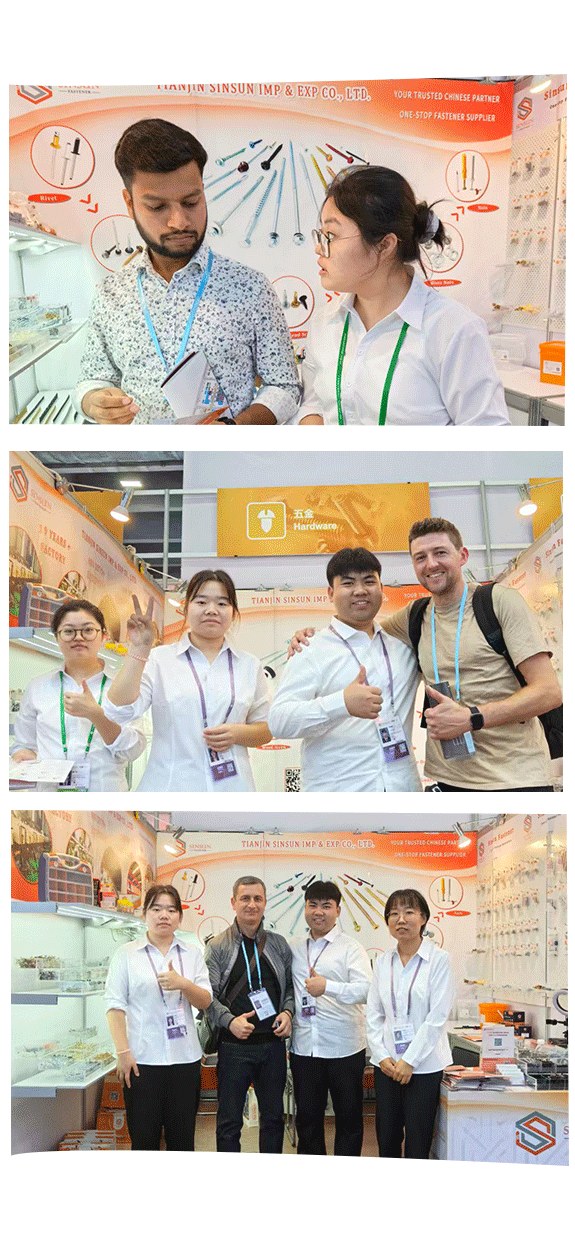
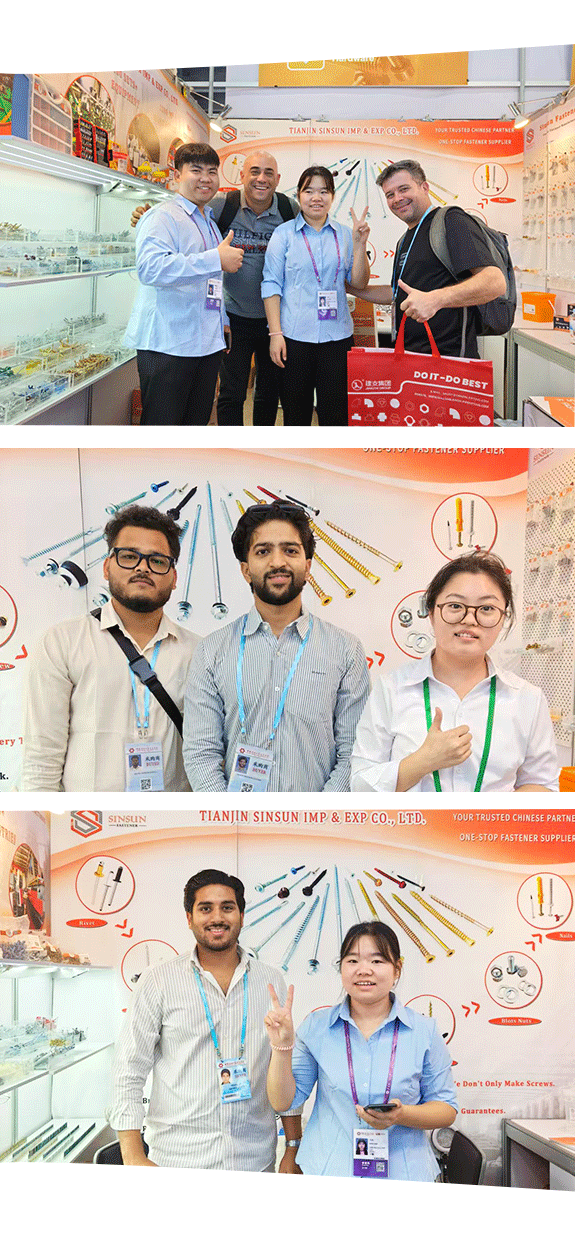
Providing clear and precise technical benchmarks for project engineers and quality assurance teams.
Over 1,000 MPa, meeting ISO 898-1 Class 10.9 and 12.9 property classes for structural applications.
Rα ≤ 0.4μm, helping to prevent micro-fissuring and reduce friction coefficients during torque application.
Endures over 1,000 hours of continuous salt spray testing, demonstrating high corrosion resistance.
Maintained within ±0.02mm, ensuring consistent fitment with automated assembly tooling.
Ranges between HRC 28-32, offering a balance of high hardness and ductility to resist shear failure.
12+ quality checks, including eddy current crack detection, dimensional validation, and thread verification.
Detailed technical answers for procurement directors, mechanical designers, and QC managers.
Explore more specialized products manufactured in our integrated facility.
Connect with our technical sales division for wholesale quotes, catalog requests, and custom packaging support.