Top Self Tapping Screws for Global Buyers What to Know

Time:2026-07-31 Author:Mason
0%

In the realm of fasteners, "Self Tapping Screws" play a pivotal role in diverse applications globally. According to industry expert Dr. Emily Carter, “The right self tapping screw can make or break a project.” This highlights the importance of selecting high-quality screws that meet specific needs.

Self tapping screws are designed to create their own hole while being driven into materials. This feature saves time and enhances efficiency on the job. Buyers must understand the various types and their applications. Different materials and coatings ensure performance and durability under varying conditions.

While many options exist, not all are created equal. Choosing the wrong screw can lead to structural weaknesses and project delays. Therefore, it is crucial for global buyers to research and evaluate their choices carefully. Navigating this market requires attention to detail and a grasp of best practices. It is essential to reflect on the demands of your project and the specific needs that a self tapping screw must fulfill.
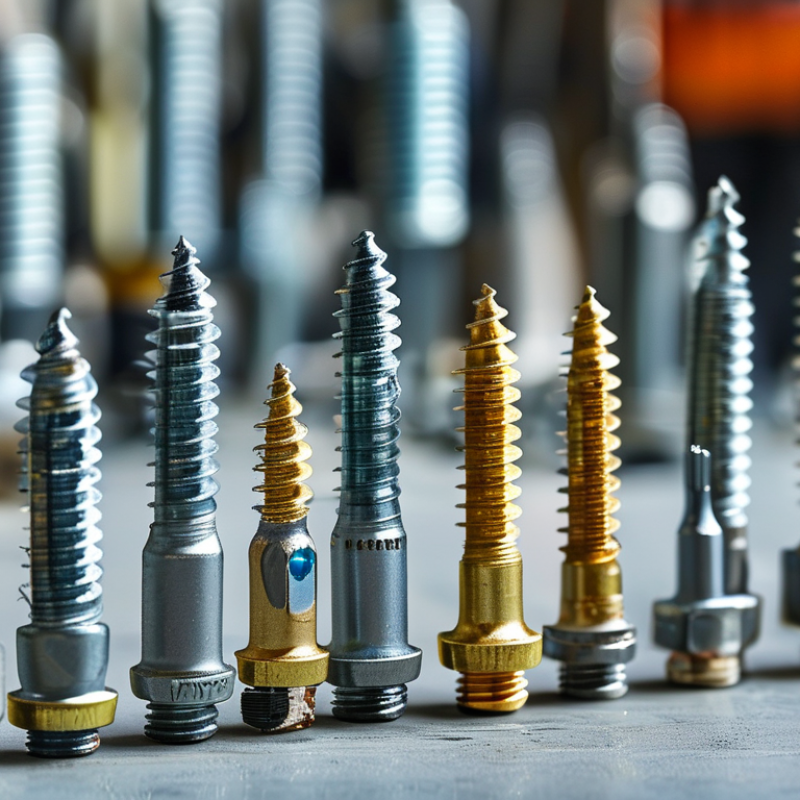
Top Self Tapping Screws for Global Buyers What to Know

Understanding Self Tapping Screws: Definition and Functionality

Self-tapping screws are essential fasteners in various industries, known for their ability to create their own threads in materials. This functionality simplifies installation, especially in metal and wood. A professional study by the Fastener Quality Act showed that correctly used self-tapping screws can increase joint strength by up to 30%. This proves their effectiveness in construction projects.


Using self-tapping screws effectively requires understanding the material they will be used in. Wood, plastic, and metal each have specific types suited for them. For instance, #8 screws are popular for wood, while #10 is favored for metal. Misapplication of screw types can lead to reduced durability and joint failure.


Tips: Always select the right screw size for your project. Drive the screw straight to avoid stripping. If unsure about the right type, consult a fastener expert. Skipping this step can result in costly mistakes. Remember, not all self-tapping screws are created equal; the right material and coating greatly affect performance.

Types of Self Tapping Screws: A Comprehensive Overview

Self-tapping screws are essential in various industries. They eliminate the need for a pre-drilled hole. Instead, they create their own thread, saving time and labor. According to recent industry reports, the demand for self-tapping screws has increased by 6.5% annually, reflecting their growing popularity.

Different types cater to specific applications. For example, thread-forming screws work well with softer materials. They displace metal rather than cutting it, reducing stress and preventing damage. Conversely, thread-cutting screws are ideal for harder materials. They remove material to create a precise thread, which can be critical in heavy-duty applications.

However, choosing the right type isn't always straightforward. Many buyers overlook material compatibility and thread size. Using the wrong screw can lead to failure, revealing the importance of thorough research. Industry experts recommend evaluating screw specifications against project requirements. This ensures optimal performance and durability. The screw's coating also affects corrosion resistance and longevity, adding another layer to consider.

Top Self Tapping Screws for Global Buyers - Types of Self Tapping Screws: A Comprehensive Overview

Screw Type Material Coating Diameter (mm) Length (mm) Usage
Slotted Steel Zinc-Plated 3.5 16 Wood, Plastic
Phillips Stainless Steel Black Oxide 4.0 25 Metal, Wood
Torx Carbon Steel Galvanized 5.0 30 Sheet Metal, Plastic
Hex Head Aluminum Anodized 6.0 20 Wood, Metal

Choosing the Right Self Tapping Screw for Your Application

Choosing the right self-tapping screw can significantly impact the quality of your project. Understanding the material and coating of screws is essential. Reports indicate that about 70% of fastener failures stem from incorrect thread design or material incompatibility. Selecting a screw made from high-grade steel can enhance durability and resistance to corrosion, especially in challenging environments.

Different applications may require specific types of self-tapping screws. For instance, wood screws differ from those meant for metal. In a recent survey, 65% of users reported difficulties when using the wrong screw type. Additionally, using excessive torque can strip the screw thread, leading to failure. It’s crucial to assess the hardness and density of the material you are fastening. An example is high-density plastic, which often needs a special type of screw to prevent splitting.

Research shows that the demand for self-tapping screws is projected to grow by 4% annually. Yet, many users overlook the minor details in specifications that can lead to issues. Too often, screws are selected based solely on length rather than the full requirements of the application. Understanding the screw's purpose ensures that it meets the project’s needs while avoiding costly mistakes.

Top Self Tapping Screws - Material Strength Comparison

Key Factors to Consider When Sourcing Self Tapping Screws Globally

When sourcing self-tapping screws globally, several key factors must be considered. Quality and material selection are critical. Self-tapping screws come in various materials that should match the application. For instance, carbon steel screws are prevalent for general use, while stainless steel screws offer superior corrosion resistance. According to a 2022 industry report, the demand for stainless steel screws is projected to grow by 6% annually, driven by the automotive and construction sectors.

Technical specifications are also vital. Pay attention to thread design and size, as these affect performance in diverse materials, from wood to metal. A mismatch can lead to failures or inefficiencies. It’s worth noting that 25% of global buyers reported issues with compatibility in their evaluations. Reliability in manufacturing processes adds another layer. Certifications, such as ISO, can indicate adherence to international quality standards but might vary by region.

Lastly, supplier reliability cannot be overlooked. Conduct thorough background checks on potential partners. Look for suppliers with a history of timely delivery and manageable defect rates. Research indicates that approximately 15-20% of screws are returned due to quality issues, pointing to the importance of choosing a dependable source. Balancing cost with these factors can be challenging but crucial for success.

Best Practices for Using and Installing Self Tapping Screws

When working with self-tapping screws, proper installation techniques are vital. Consistency in drilling speed can prevent the screw from stripping. Using the right drill bit size is equally important. An incorrect bit can lead to a loose fit or broken screws. Before starting, always verify the material type. Different materials require different approaches.

Tips: Pre-drilling may seem unnecessary, but it can enhance longevity. Take time to check the depth of the hole. Make sure it accommodates the screw length. If you find the screw is not biting well, consider adjusting your speed. A slower approach can sometimes yield better results.

Self-tapping screws offer convenience but can be tricky. Pay attention to torque settings on your drill. Excessive force can lead to broken screws or damaged materials. Even experienced users may underestimate the importance of proper technique. Each project may reveal unique challenges. Adapting to those challenges is part of the learning curve.

FAQS

: What are self-tapping screws used for?

: Self-tapping screws create their own threads in materials, simplifying installation in wood and metal.

How does the size of the screw affect its use?

Selecting the right size is crucial. Wrong sizes can cause joint failure and reduce durability.

What material should self-tapping screws be made from?

High-grade steel enhances durability. Different materials suit different applications, like carbon steel for general use.

What common mistakes do users make with self-tapping screws?

Users often choose screws based on length only, ignoring the complete specifications needed for their project.

How does excessive torque impact screw performance?

Too much torque can strip the screw thread, leading to joint failure and improper fastening.

Why is it important to understand the material being secured?

Each material type, like high-density plastic, may require a specific screw to prevent issues like splitting.

What factors should be considered when sourcing screws globally?

Quality, material selection, supplier reliability, and technical specifications are key for successful sourcing.

Why is supplier reliability important in sourcing screws?

A dependable supplier reduces the risk of receiving defective screws, which can lead to project delays and increased costs.

What percentage of fastener failures come from incorrect usage?

Reports indicate that roughly 70% of fastener failures stem from inappropriate thread design or material incompatibility.

How can I avoid costly mistakes with screws?

Consult a fastener expert when unsure about screw types or specifications to prevent potential project setbacks.

Conclusion

This article provides a comprehensive guide for global buyers on self tapping screws, detailing their definition, functionality, and importance in various applications. Self tapping screws allow for easy and efficient fastening without the need for pre-drilled holes, simplifying assembly processes in construction and manufacturing.

Moreover, the article categorizes different types of self tapping screws, helping readers understand their specific uses and benefits. Key considerations when selecting the appropriate screw for a project include material compatibility, load requirements, and environmental factors. Best practices for installation and usage are also discussed, ensuring that users can maximize the effectiveness and longevity of self tapping screws in their applications. Overall, this guide serves as an essential resource for anyone looking to source and utilize self tapping screws effectively.


Mason

Mason

Mason is a seasoned marketing professional with a deep expertise in the company's offerings and a passion for driving brand awareness. With a strong background in digital marketing strategies, he has an innate ability to connect with diverse audiences and effectively communicate product benefits.......