In the rapidly evolving construction industry, sourcing quality components is crucial. Lag screws are an essential fastener, widely used for their durability and strength. Renowned industry expert Dr. Emily Chen, a materials specialist at the International Fasteners Association, once stated, "The integrity of a structure often hinges on the quality of its lag screws." This highlights the critical role lag screws play in construction projects.
China has emerged as a significant player in the lag screw manufacturing sector. The country offers a diverse array of suppliers that cater to global demand. Buyers face challenges in choosing the right manufacturer amid a crowded market. Understanding key players and their strengths is vital for making informed decisions.
Navigating the lag screw market can be complex. Not all manufacturers adhere to the same standards. Some might lack the necessary certifications or quality control practices. Therefore, buyers must conduct thorough research. Identifying reliable manufacturers ensures that projects remain safe and meet industry standards. This need for diligence highlights an ongoing concern in the supply chain.
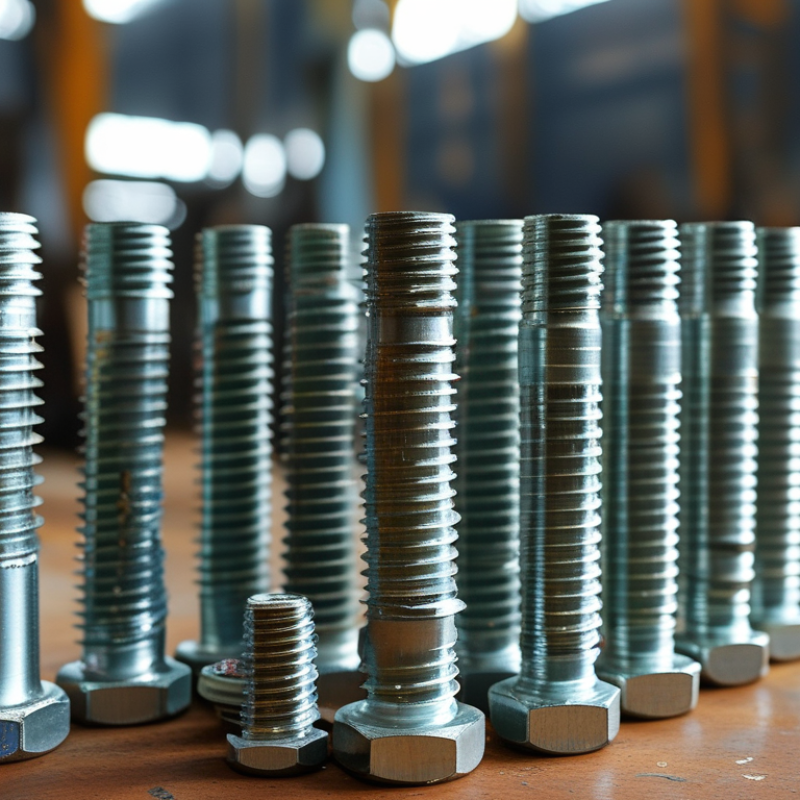
China has a strong manufacturing base for lag screws. Many companies focus on various aspects of production. This enables them to meet specific needs in different markets.
Quality control is crucial in the lag screw industry. Leading manufacturers implement rigorous testing. Materials must adhere to industry standards. This ensures that the final products are durable and reliable. Both mechanical properties and surface finishes are important. Flaws can lead to failures in applications. Thus, careful attention to detail is necessary.
Innovation plays a significant role in staying competitive. Some manufacturers invest in advanced technology. This improves efficiency and product quality. However, not all companies maintain this level of innovation. Some still rely on outdated methods. This can affect consistency and quality. Continuous improvement is essential for long-term success in this sector.
The lag screw market in China is witnessing significant growth in 2023. Market reports indicate a compound annual growth rate (CAGR) of around 7% over the next five years. This growth is driven by increased demand in construction and manufacturing sectors. As infrastructure projects expand, the need for durable and reliable fastening solutions intensifies.
In 2023, the market is projected to reach approximately $1.2 billion. Notably, an estimated 60% of lag screws produced in China are exported, highlighting the country's central role in the global supply chain. The trend also reflects a shift toward sustainability, with manufacturers exploring eco-friendly materials and production processes.
Despite positive trends, challenges remain. Quality control issues often plague production, affecting reliability. Additionally, fluctuating raw material prices can pose risks for manufacturers. Industry leaders stress the importance of continuous innovation to maintain competitive edge. Investing in advanced technologies can potentially address quality concerns while minimizing cost fluctuations. The landscape of lag screw manufacturing in China is dynamic and evolving, presenting both opportunities and hurdles.
| Rank | Annual Production (tons) | Export Volume (tons) | Market Share (%) | Main Export Markets | Average Price (USD) |
|---|---|---|---|---|---|
| 1 | 120,000 | 80,000 | 28% | North America, Europe | 0.50 |
| 2 | 95,000 | 60,000 | 22% | Asia, South America | 0.45 |
| 3 | 80,000 | 50,000 | 18% | Middle East, Africa | 0.55 |
| 4 | 70,000 | 40,000 | 15% | Europe, Australia | 0.60 |
| 5 | 60,000 | 35,000 | 12% | North America, Asia | 0.50 |
| 6 | 55,000 | 30,000 | 10% | Europe, South America | 0.70 |
| 7 | 50,000 | 25,000 | 8% | Asia, Africa | 0.65 |
| 8 | 45,000 | 20,000 | 5% | North America, Europe | 0.75 |
| 9 | 40,000 | 15,000 | 4% | Middle East, Asia | 0.80 |
| 10 | 30,000 | 10,000 | 3% | Africa, Europe | 0.90 |
When evaluating lag screw manufacturers in China, quality and performance stand as pivotal criteria. Reliable manufacturers often adhere to international standards like ISO 9001, showcasing their commitment to quality management systems. According to a recent industry report by Grand View Research, the global lag screw market is expected to grow by 7.5% annually, reinforcing the need for high-quality products. This growth reflects a demand for durable and efficient fastening solutions, which manufacturers must meet to remain competitive.
Moreover, performance in corrosion resistance is critical. Studies suggest that over 60% of structural failures in construction are linked to inadequate fasteners. Thus, manufacturers must provide products that withstand various environmental factors, including humidity and temperature fluctuations. Testing for tensile strength is essential, as fasteners must endure high loads without failure. Therefore, manufacturers should employ stringent quality control measures throughout the production process. Transparency in sourcing materials and manufacturing practices can greatly influence a buyer's decision.
Innovation also plays a significant role. With advancements in materials and technologies, manufacturers must continually improve product offerings. Incorporating feedback from end-users can enhance design and performance. Yet, some manufacturers may overlook market trends, risking obsolescence. A focus on innovation can prevent this, ensuring products not only meet current demands but also anticipate future needs.
The rise of Chinese lag screw manufacturers has had a profound impact on global supply chains. These manufacturers have become key players in the construction and manufacturing sectors. Their ability to produce high-quality fasteners at competitive prices has attracted international buyers. The efficiency of their production processes often leads to shorter lead times and increased availability of products.
However, challenges exist. Quality control can vary significantly among manufacturers. Some buyers have reported inconsistencies in product specifications. Due diligence is essential when choosing suppliers. Engaging with manufacturers who have a proven track record can minimize risks. Additionally, fluctuating material costs in China can impact pricing stability for global buyers.
Understanding the dynamics of these suppliers can inform better purchasing strategies. Companies must remain adaptable to shifts in manufacturing capacities and global demand. Engaging local experts and conducting regular audits may provide deeper insights. A more diverse supply chain can also enhance resilience against disruptions.
The lag screw manufacturing sector in China is witnessing significant innovations. The industry's shift towards automation and smart manufacturing is noteworthy. Recent reports show that over 70% of manufacturers are investing in advanced technologies. These include robotics and artificial intelligence to streamline production processes. Automation improves efficiency and reduces human error, enhancing overall product quality.
Sustainability is another crucial focus for the industry. Many manufacturers aim to reduce their environmental impact. Reports suggest that nearly 50% are adopting eco-friendly materials and production methods. This shift highlights a growing awareness of environmental responsibilities among manufacturers. However, challenges remain in scaling sustainable practices across the board. Not all companies have the resources or knowledge to implement these changes effectively.
Moreover, the demand for customized lag screws is rising. Companies are exploring ways to innovate their offerings to meet specific buyer needs. This trend may not be uniform, as some manufacturers struggle to adapt to market shifts. Keeping pace with evolving customer preferences can be challenging. At the same time, organizations that embrace these changes will likely gain a competitive edge.
: The market is expected to grow at a CAGR of around 7% over the next five years.
Around 60% of lag screws produced in China are exported to global markets.
The market is projected to reach approximately $1.2 billion.
Manufacturers are exploring eco-friendly materials and production processes.
Quality control issues and fluctuating raw material prices are major challenges.
Due diligence is essential, engaging suppliers with a proven track record minimizes risks.
Understanding supplier dynamics and remaining adaptable to shifts in demand is crucial.
Inconsistencies in product specifications can lead to reliability concerns for buyers.
Investing in technologies can address quality issues and mitigate cost fluctuations.
Local experts can provide insights and support in conducting regular audits of suppliers.
This article delves into the landscape of lag screw manufacturing in China, identifying the leading manufacturers that cater to global buyers. It highlights key industry statistics and market trends for lag screws in 2023, emphasizing the growing demand and innovation within the sector. The evaluation criteria for the top lag screw manufacturers focus on quality and performance, ensuring that buyers can make informed decisions.
Furthermore, the discussion explores the impact of Chinese lag screw manufacturers on global supply chains, revealing their significance in meeting international market needs. The article concludes with a future outlook on innovations in lag screw manufacturing, suggesting that advancements in technology and materials will play a crucial role in shaping the industry moving forward.