Heat-treated self-tapping screws do demanding work in a small footprint. Their hardened points must pierce material, while their threads need enough strength to hold under load. Too little hardness can cause stripping; too much may leave a screw brittle. The distinction shows up on the workbench: a clean bite in sheet metal, or a snapped point before the head seats.
The market is larger than this product category alone. Grand View Research estimated the global industrial fasteners market at USD 90.52 billion in 2023. That figure covers many fastener types, not heat-treated self-tapping screws specifically. It does, however, show why sourcing and manufacturing quality deserve scrutiny. For buyers, useful checks include material consistency, heat-treatment controls, thread geometry, coating, and documented testing. A polished catalogue is not proof of reliable performance.
This Top 10 Heat Treated Self Tapping Screw Manufacturers guide compares suppliers through those practical criteria, rather than treating every factory as interchangeable. George E. Totten, a widely published heat-treatment specialist, is relevant to understanding how process control affects metal properties. However, no verified, screw-specific quotation from him was available in the supplied material. We will not invent one. That gap matters: a trustworthy comparison should distinguish confirmed company information from assumptions, and readers should independently verify specifications before purchasing. No ranking is perfect. The details behind it should be.
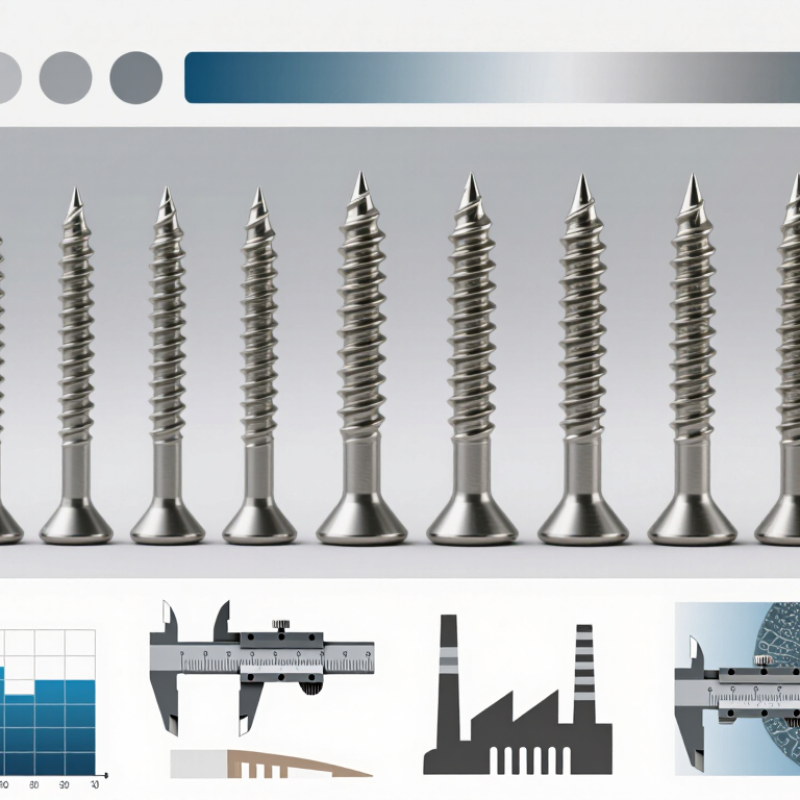
Top 10 Heat Treated Self Tapping Screw Manufacturers
How Heat-Treated Self-Tapping Screws Are Made and Classified
Heat-treated self-tapping screws usually begin as steel wire, drawn to a consistent diameter. The wire is cut into blanks, then cold-headed to form each screw’s head. Rolling dies shape the threads, while a formed or machined point helps the screw enter its material. Next, controlled heating hardens the steel. Quenching cools it quickly, and tempering reduces brittleness. Small changes matter. Temperature, time, and cooling conditions can affect hardness and dimensional stability, so manufacturers check production samples.
Classification depends on both design and intended material. Thread-forming screws displace material as they advance, while thread-cutting types use flutes to remove it. Points, thread profiles, head shapes, and drive styles also vary. A screw intended for thin sheet metal may not suit a dense plastic or a thicker panel. Not every screw qualifies. Some applications use different materials or require a different balance of strength and corrosion resistance.
Tips: Match the screw to the material, thickness, and pilot-hole guidance. Check the product specification for hardness and coating, rather than judging by appearance. A small test installation can reveal splitting, poor engagement, or excessive driving torque. It is easy to overlook this step, but a screw that feels strong may still be poorly matched to the job.
| No. | Manufacturer Capability | Typical Manufacturing Route | Heat-Treatment Approach | Common Screw Classification | Typical Application | Useful Quality Checks |
|---|---|---|---|---|---|---|
| 1 | Carbon-steel sheet-metal screw production | Wire drawing, cold heading, point forming, thread rolling, heat treatment, and finishing. | Case hardening is commonly used to create a hard surface while retaining a tougher core; the exact cycle depends on the steel and specification. | Thread-forming self-tapping screw; pointed or blunt point, depending on the design. | Joining sheet metal and other materials when the joint design permits the screw to form its own mating thread. | Dimensions, thread profile, surface hardness, core condition, plating thickness, and installation performance. |
| 2 | Thread-cutting screw production | Cold heading and thread rolling or machining, with cutting edges formed at the point or along the thread. | Heat treatment is selected to provide wear resistance and strength while helping prevent brittle fracture. | Thread-cutting self-tapping screw; cutting features remove material to make a mating thread. | Applications where cutting a thread is preferred to displacing material, subject to the workpiece material and design. | Cutting-edge geometry, thread dimensions, hardness, torque behavior, and resistance to cracking. |
| 3 | High-volume cold-headed screw production | Progressive cold heading forms the head and blank; thread rolling forms threads without cutting them. | For suitable carbon-steel grades, controlled case hardening is commonly used after forming. | Machine-produced self-tapping screws in standard head, drive, and thread configurations. | High-volume assembly in appliances, enclosures, and general manufactured products. | Head dimensions, concentricity, thread gauges, hardness, and batch traceability. |
| 4 | Small-diameter and miniature screw production | Precision wire preparation, small-part heading, thread rolling, and controlled finishing. | Heat-treatment parameters require close control because small sections can respond quickly to heating and cooling. | Miniature self-tapping screws, classified by thread form, head style, drive, and dimensions. | Compact assemblies and light-gauge components where the specified screw size is suitable. | Dimensional inspection, thread fit, head-drive integrity, surface condition, and hardness checks appropriate to size. |
| 5 | Large-diameter and heavy-duty screw production | Heavier-gauge heading, thread forming, and process controls matched to the larger cross-section. | Heat-treatment cycles must account for section size to achieve the required properties through the part. | Heavy-duty self-tapping designs, including thread-forming or thread-cutting styles. | Structural or industrial assemblies only when the product specification and joint design allow self-tapping fasteners. | Core and surface properties, thread dimensions, proof or torque testing where specified, and coating condition. |
| 6 | Drill-point self-drilling screw production | Heading, thread rolling, drill-point formation, heat treatment, and protective finishing. | Hardness and toughness are controlled to support drilling and thread engagement; requirements depend on the product standard and intended material. | Self-drilling screw with an integral drill point; a related but distinct category from a conventional self-tapping screw. | Metal-to-metal fastening where the specified drill point is designed for the material and thickness. | Drill-point geometry, drilling performance, thread fit, hardness, and corrosion-protection coating. |
| 7 | Corrosion-protected carbon-steel screw production | Forming and heat treatment are followed by a specified coating or surface-treatment process. | Case hardening may be used for the steel fastener; coating processes must be compatible with the required mechanical properties. | Self-tapping screws classified by thread type, head style, drive, and protective finish. | Indoor or outdoor assemblies according to the corrosion-resistance requirements of the project. | Coating thickness and coverage, corrosion testing when specified, dimensional checks, and hydrogen-embrittlement controls where applicable. |
| 8 | Stainless-steel self-tapping screw production | Stainless wire is formed and threaded using processes suited to the selected stainless grade. | Many stainless fasteners rely on the properties of the selected grade and work hardening rather than the case-hardening route used for carbon steel. Treatment depends on alloy and specification. | Stainless self-tapping screw, classified by alloy grade, thread design, head, drive, and dimensions. | Environments where corrosion resistance is required, with grade selection based on exposure conditions. | Material identification, dimensions, surface condition, passivation requirements, and corrosion suitability. |
| 9 | Application-specific head and drive production | Cold heading forms the selected head; the drive recess is formed during heading or by a secondary operation. | Heat treatment is specified for the base material and screw design, not determined by head or drive style alone. | Classified by head style—such as pan, flat, or hex—and drive type, in combination with thread design. | Assemblies requiring a particular bearing surface, flush finish, tool access, or installation method. | Head and recess dimensions, drive engagement, thread gauge, hardness, and installation testing. |
| 10 | Custom and specification-controlled production | Tooling, forming, thread geometry, material, and finishing are selected to match a customer drawing or applicable standard. | Heat treatment is documented against the agreed material and performance requirements; acceptance limits should be defined in the specification. | Custom self-tapping design classified by material, thread form, point, head, drive, dimensions, and finish. | Specialized assemblies where standard catalog dimensions or performance requirements are insufficient. | Approved drawings, material certificates, process records, inspection plans, and specified mechanical or functional tests. |
Ask how steel is traced from delivery to finished production lots. Review furnace temperature, treatment time, and hardness records. Small details matter.
A sales sample may not reflect regular production. Request recent batch results and compare screws from several packages. Variation deserves a clear explanation.
Match its thread design, point style, and dimensions to the substrate. A screw for thin sheet may perform poorly in dense panels. Fit matters.
A hard surface can resist wear, but a brittle core may snap during installation. Ask for hardness and case-depth records, where applicable.
Ask about installation torque, drive performance, and pull-out testing. Find out how failures are recorded. I may be overcautious, but ask anyway.
Check thickness and coverage near the head and thread roots. These areas can be easy to overlook. Not quite minor.
No. Certificates describe documented requirements or systems, not every screw’s performance. Confirm certification scope and validity, then review actual test data.
Yes. It can reveal feeding problems or uneven seating that paperwork misses. Set clear inspection criteria before approving regular supply.
Treat missing information as a reason to investigate, not an automatic rejection. Ask for specific evidence. Some answers may remain imperfect.
This article explores how a Heat Treated Self Tapping Screw is manufactured and classified, including the role of heat treatment in influencing hardness, strength, and performance. It also outlines practical criteria for evaluating manufacturers, such as production capabilities, material and process controls, product range, quality assurance, and relevant certifications. Together, these factors offer a useful framework for assessing suppliers beyond price alone.
The guide profiles ten leading manufacturers and compares their products, capabilities, and certifications to help readers understand the differences between potential sources. It concludes with advice on matching a manufacturer to specific project requirements, including screw type, application conditions, order volume, quality expectations, and delivery needs. This structured approach can help buyers make informed choices and identify a supplier suited to their technical and operational priorities.