Top Drywall Screws for Global Buyers What to Look For?

Time:2026-07-31 Author:Isabella
0%

When choosing the best Drywall Screw, buyers often face many options. Understanding what makes a quality screw is essential. Factors such as material, thread design, and head shape play crucial roles in their performance. In any construction project, the right screws can ensure both durability and efficiency.

A reliable Drywall Screw not only simplifies installation but also supports the overall integrity of the structure. Improper selection can lead to issues like cracking or loosening. Therefore, it’s vital to consider the specific needs of your project. Everyone has different preferences, and sometimes those choices can lead to unforeseen problems.

Recognizing the importance of experience and knowledge in selecting Drywall Screws can significantly impact outcomes. Researching the best options can be overwhelming. However, a thoughtful approach can yield better results. Reflecting on past experiences can guide future choices, making your selection process smoother and more effective.
Top Drywall Screws for Global Buyers What to Look For?

Understanding the Different Types of Drywall Screws Available

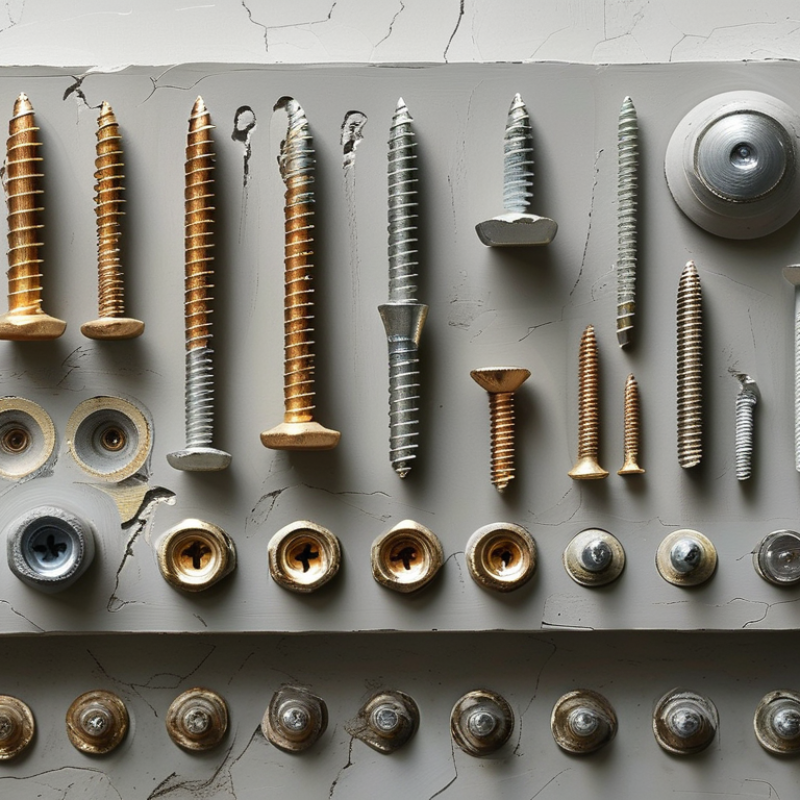
When selecting drywall screws, understanding the different types available is crucial. There are primarily two types: coarse-thread and fine-thread screws. Coarse-thread screws are ideal for attaching drywall to wooden studs. They offer superior grip and are usually the preferred choice for this application. Fine-thread screws, on the other hand, are better suited for metal studs. They provide a tighter fit, which can be essential in certain constructions.

Recent industry reports indicate that over 70% of drywall installations in residential buildings utilize coarse-thread screws. These screws typically range from 1 to 3 inches in length, making them versatile for various thicknesses of drywall. A study showed that while coarse-thread screws have a higher pull-out strength, their installation can be more labor-intensive. This aspect may require contractors to reflect on their installation methods.

Moreover, the coatings on screws, such as phosphate or wax, play a significant role in performance. Phosphate coatings prevent rust, improving the longevity of the installation. In contrast, wax coatings reduce friction during installation but might not offer the same durability. It’s essential to weigh these factors against project requirements. Selecting drywall screws isn’t merely about choosing a type; it's about understanding the implications of each option available.

Key Features to Consider When Choosing Drywall Screws

When selecting drywall screws, there are several key features to keep in mind. One important aspect is the screw type. Coated screws provide better grip and reduce the risk of stripping. Length is also crucial; longer screws typically provide more hold but may not be necessary for thinner drywall. A balance between length and thickness is essential for optimal performance.

Additionally, thread design plays a significant role in stability. Fine threads are ideal for attaching drywall to metal studs, while coarse threads work better for wood. The material of the screws is another factor. Galvanized or stainless steel screws resist corrosion, which ensures longevity, especially in humid environments.

Consider the drive type as well. Phillips or square drives can offer better torque, reducing the likelihood of slipping during installation. An often-overlooked aspect is the drywall’s overall thickness. It might affect the choice of screw size. Reflect on your project's specific needs before making a decision. This careful consideration will lead to better results and a more secure finish.

Top Drywall Screws for Global Buyers: Key Features Comparison

Comparing Material Quality: Steel vs. Zinc vs. Coated Screws

When purchasing drywall screws, material quality is crucial. The most common options are steel, zinc, and coated screws. Each type has unique advantages and disadvantages that can affect performance.

Steel screws are known for their strength. They handle heavy loads well, making them ideal for more demanding applications. However, they can corrode quickly when exposed to moisture. A report by the American Fasteners Association shows that nearly 30% of construction site failures involve rusted components. This highlights the importance of choosing the right material for specific environments.

Zinc screws offer better corrosion resistance. They are suitable for damp conditions, making them a popular choice for outdoor projects. However, they may lack the tensile strength of steel screws. Coated screws can provide balanced benefits, with a finish that enhances both strength and corrosion resistance. It’s essential to consider the specific needs of your project. Understanding these differences can prevent costly mistakes and ensure long-lasting results.

Assessing Screw Length and Thread Design for Optimal Performance

When choosing drywall screws, the length and thread design are critical for achieving optimal performance. A screw that’s too short won't secure the drywall effectively, while one that’s excessively long may penetrate deeper than necessary. Generally, screws should be long enough to reach the stud behind the drywall. A typical length is around 1.25 to 1.75 inches for standard ½ inch drywall. However, always measure your materials before making a selection to ensure adequate fit.

Thread design also plays a significant role. Coarse threads are ideal for attaching drywall to wooden studs. They provide a strong grip and minimize strip-outs. Fine threads, on the other hand, are better suited for metal studs, offering more holding power in thinner materials. It’s important to understand these differences to avoid installation issues.

**Tip:** Test a few screws before making a bulk purchase. This can reveal whether they hold well in your specific materials.

Remember, not all screws are made equal. Even slight variations in design can affect performance. Don’t hesitate to experiment with different types to find the right fit for your project. Always prioritize quality over price for reliable results.

Top Drywall Screws for Global Buyers: What to Look For?

Screw Length (inches) Thread Design Material Recommended Use Strength Rating (lbs)
1.25 Coarse Thread Steel Indoor Drywall 25
1.5 Fine Thread Zinc Plated Metal Studs 30
2 Coarse Thread Stainless Steel Outdoor Applications 40
2.5 Extra Coarse Thread Carbon Steel Heavy-Duty Drywall 50
3 Fine Thread Coated Steel High Load Areas 60

Evaluating Brand Reputation and Customer Reviews for Buying Decisions

When choosing drywall screws, evaluating brand reputation is essential. Buyers should turn to customer reviews for insight into product performance. Reviews can reveal if customers faced problems. Look for common issues mentioned. This can help prevent bad purchases.

Tips: Check multiple sources for reviews. Look for detail in experiences shared by others. A screw can seem perfect on a shelf but may not perform under pressure.

Brand reputation provides context. Consider how long companies have been in the drywall industry. Legacy can indicate reliability. Yet, even established brands can have missteps. Research any recent complaints or recalls.

Customer feedback often highlights what brands neglect. Many users share their trials and errors. Understanding these can guide new buyers. Choose screws that fit your project needs and budget. It’s not just about price; quality matters too. A lower-cost screw may save money now but could lead to more issues later.

FAQS

: What type of screws should I choose for drywall?

: Coated screws offer better grip and reduce stripping risks, making them a solid choice.

How long should drywall screws be?

For standard ½ inch drywall, lengths of 1.25 to 1.75 inches work well. Measure your materials carefully.

What thread design is best for drywall?

Coarse threads are good for wood studs. Fine threads suit metal studs better.

How does the screw material affect performance?

Galvanized or stainless steel screws resist corrosion, making them ideal for humid environments.

What drive type is recommended for drywall screws?

Phillips or square drives offer better torque and reduce slipping during installation.

Should I test screws before buying in bulk?

Yes. Testing a few screws helps determine their effectiveness with your specific materials.

What happens if the screws are too short?

Short screws won’t secure the drywall properly, leading to potential installation issues.

Is it important to reflect on my project needs?

Definitely. Taking your project's specifics into account ensures better results and stability.

Conclusion

When selecting drywall screws, it is essential to understand the various types available in the market. The article highlights key features to consider, such as the material quality, including options like steel, zinc, and coated screws, each offering different advantages based on their corrosion resistance and strength. Additionally, assessing screw length and thread design is crucial for achieving optimal performance in different drywall applications.

Buyer decisions can also be influenced by evaluating brand reputation and customer reviews, which provide insights into the reliability and effectiveness of drywall screws. By considering these factors, global buyers can make informed choices that ensure durability and efficiency in their drywall projects. Ultimately, understanding the specifics of drywall screws is key to achieving successful results in construction and renovation.


Isabella

Isabella

Isabella is a dedicated marketing professional with a sharp focus on driving brand growth and engagement through strategic content creation. With an extensive background in digital marketing, she combines her passion for storytelling with her keen understanding of industry trends to deliver......