China Best C1022A Self Tapping Screw Supplier?

Time:2026-10-17 Author:Henry
0%

Finding the China best C1022A Self Tapping Screw supplier requires more than comparing prices on a product page. In real purchasing work, small details often decide whether a screw performs reliably. Thread sharpness, point geometry, hardness, coating thickness, and head accuracy all affect installation. A screw may look correct in a photograph yet strip during assembly. That risk deserves attention.

C1022A Self Tapping Screw products are commonly selected for sheet metal, light steel framing, electrical enclosures, and general industrial assembly. A dependable Chinese supplier should provide clear material information, dimensional drawings, production samples, and inspection records. Ask for evidence of batch traceability. Check the actual diameter, thread pitch, drive recess, and surface finish. Zinc plating, black oxide, and other coatings may suit different environments. Salt-spray performance should be confirmed through relevant test documentation, not vague promises.

Experience matters here.

A capable supplier should explain tooling choices, heat-treatment controls, packaging methods, and minimum order quantities in practical terms. Factory photographs help, but independent inspection and sample testing provide stronger confidence. Certifications can support credibility, although certification alone does not guarantee consistent shipments. We should also admit that “best” depends on application, volume, delivery schedule, and required standard. The lowest quotation may create hidden costs through rejected parts, damaged packaging, or unstable quality. A careful comparison of technical capability, communication, production capacity, and after-sales responsibility will lead to a more reliable decision. Even a well-reviewed supplier should earn trust through current samples and verifiable records.
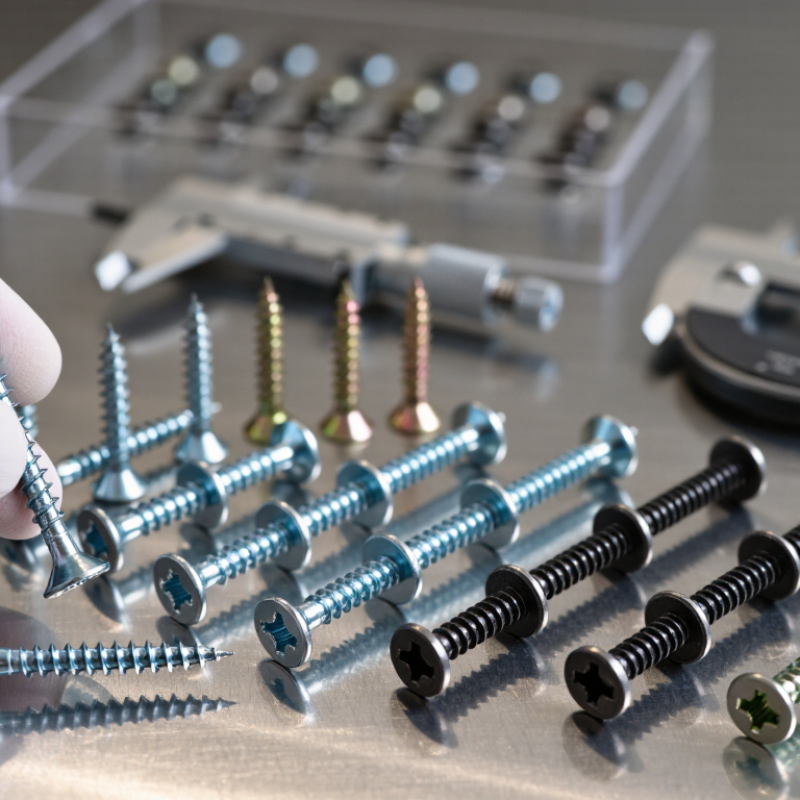
China Best C1022A Self Tapping Screw Supplier?

C1022A Steel and Its Role in Self-Tapping Screws

C1022A steel is a practical material for self-tapping screws. Its balanced carbon content supports strength, thread formation, and controlled hardness. In use, the screw must cut cleanly without snapping under installation torque. That balance matters. A screw that is too soft may strip or deform. One that is too hard can break during driving. Small failures create costly delays.

Production quality depends on more than the steel grade. Cold heading shapes the head and point with minimal material waste. During forming, poor lubrication can leave surface marks or dimensional variation. Heat treatment can improve hardness, but excessive treatment may reduce toughness. This is where careful process control becomes essential. I have seen screws with attractive surfaces fail because their core hardness was inconsistent. Practical inspection should include hardness checks, thread gauges, dimensional measurement, and torque testing. Batch records should remain available.

When evaluating a China-based C1022A self-tapping screw supplier, request material certificates and traceable inspection data. Confirm the actual chemistry, mechanical properties, and heat-treatment results. Coating selection should match the installation environment, especially where humidity is persistent. A small sample test can reveal point performance, driving torque, and thread engagement. Salt-spray results may help, but they should not replace real application testing. Specifications sometimes look complete, yet one detail is missing: the mating material. Testing both components together provides a more reliable purchasing decision.

Key Features and Performance of C1022A Self-Tapping Screws

China Best C1022A Self-Tapping Screw Supplier?

C1022A self-tapping screws combine moderate carbon steel strength with practical machinability. Their carbon content is commonly near 0.22%, supporting reliable thread formation and cold heading. The material alone does not define performance. Heat treatment, point geometry, and surface coating matter just as much. ISO 2702:2017 specifies a surface hardness of at least 450 HV for heat-treated tapping screws. It also places core hardness commonly between 240 and 450 HV. This balance helps the point penetrate sheet steel while reducing thread stripping.

A dependable C1022A screw should start cleanly, cut consistent threads, and resist premature tip wear. In production trials, a sharp drill point reduces installation torque, especially in thin galvanized panels. ASTM F1941/F1941M provides coating requirements and test methods for corrosion-resistant fasteners. Coating thickness and salt-spray results should be checked through inspection records, not marketing claims. The weak point is often overlooked: excessive hardness can improve penetration but increase brittleness. That trade-off deserves review. Supplier evaluation should include batch certificates, hardness data, dimensional checks, and torque testing on the actual substrate. A 2023 industrial fastener market review reported continued demand for corrosion-resistant fastening systems, particularly in construction and light manufacturing. However, market growth does not prove product quality. Sample testing remains necessary.

China Best C1022A Self Tapping Screw Supplier? - Key Features and Performance of C1022A Self-Tapping Screws

Data Dimension Typical Specification or Performance Technical Notes
Material Grade SAE/AISI 1022 low-carbon steel, commonly designated C1022 for cold-heading applications The exact designation and chemistry should be confirmed against the purchase specification and material certificate.
Carbon Content Approximately 0.18–0.23% by mass Carbon content supports cold forming while allowing heat treatment for the required screw surface and core properties.
Manganese Content Approximately 0.70–1.00% by mass Manganese contributes to strength and hardenability. The accepted range depends on the applicable steel standard.
Phosphorus and Sulfur Typically phosphorus ≤ 0.040% and sulfur ≤ 0.050% Limits may vary by standard, steel mill, and customer requirement. Mill test reports should be used for verification.
Common Screw Standards ASME B18.6.4, SAE J78, ISO 1478, or an equivalent product specification The applicable standard depends on the screw head, recess, thread form, point style, and intended market.
Thread Form Machine-formed tapping thread with a sharp or modified crest The thread cuts or displaces material in a prepared or unprepared hole, depending on the screw design.
Typical Point Styles Sharp point, blunt point, or drill-point configuration Sharp and blunt points are commonly used with pre-drilled holes; drill points are designed to penetrate selected thin sheet materials.
Common Head Options Pan, flat, truss, hex washer, and wafer heads Head selection affects clamping area, clearance, appearance, and tool access.
Typical Diameter Range Approximately 2.2–6.3 mm for common light- and medium-duty applications Available sizes depend on the standard, tooling, application, and required engagement length.
Common Drive Types Phillips, hex socket, slotted, square, and combination recesses Drive selection influences installation speed, bit engagement, and resistance to cam-out.
Surface Hardness Usually hardened after forming; the specified value depends on the product standard and size A harder surface improves thread-forming and wear resistance. The required hardness should be checked on the applicable standard or drawing.
Core Strength Designed to retain sufficient ductility and resistance to installation breakage Core hardness and tensile requirements vary with diameter and screw class; avoid substituting values from another standard.
Corrosion Protection Zinc plating, zinc-flake coating, phosphate, black oxide, or plain finish Corrosion resistance depends on coating type, thickness, passivation, sealant, environment, and installation damage.
Typical Applications Sheet-metal assembly, electrical enclosures, appliances, light fixtures, furniture, and general hardware Application suitability depends on substrate thickness, joint design, service load, and environmental exposure.
Installation Performance Good thread-forming performance when matched with the correct pilot-hole size and driving torque Over-torque, incorrect hole size, excessive speed, or angled driving can cause stripping, fracture, or poor clamping.
Quality Verification Dimensional inspection, thread gauging, hardness testing, torque testing, coating inspection, and batch traceability Request inspection records, material certificates, coating data, and sample approval before volume production.
Supplier Selection Criteria Standard compliance, stable heat treatment, controlled coating, tooling capability, inspection capacity, and consistent packaging A reliable supplier should confirm the drawing, applicable standard, material grade, surface finish, test requirements, and delivery tolerances in writing.

Note: Values identified as typical are general engineering ranges. Final requirements should be confirmed by the applicable product standard, approved drawing, inspection plan, and material certificate.

Common Applications for C1022A Self-Tapping Screws

China Best C1022A Self Tapping Screw Supplier?

Common Applications for C1022A Self-Tapping Screws

C1022A self-tapping screws are widely used in light construction and general manufacturing. Their carbon steel composition offers useful strength for routine fastening tasks. The sharp point cuts threads into thin metal, plastic, or prepared wood surfaces. This feature can reduce assembly time and simplify field repairs.

Metal roofing panels often use these screws with sealing washers. The washer helps limit water entry around the penetration point. HVAC installers use them for ducts, brackets, access panels, and equipment housings. They also suit electrical enclosures, cable trays, storage racks, and sheet-metal cabinets. Furniture makers may use smaller sizes for hinges and internal steel frames. Appliance assembly is another practical application.

Not every project needs the same screw. A thick panel may require a pilot hole. Excessive driving torque can damage threads or deform the head. I have seen rushed installations fail because workers ignored substrate thickness. That lesson is easy to overlook. Select the diameter, length, drive style, and coating for the actual environment. Indoor dry locations are less demanding than humid workshops or outdoor structures. For exposed applications, verify corrosion resistance and sealing performance with technical documentation. Sample testing remains sensible when materials, coatings, or load conditions change.

How to Evaluate a China-Based C1022A Screw Supplier

How to Evaluate a China-Based C1022A Screw Supplier

A reliable C1022A self-tapping screw supplier should provide clear material evidence. Ask for mill certificates, hardness results, and coating details before placing a large order. C1022A steel offers useful strength and consistent forming when processed correctly. However, material grade alone does not guarantee stable performance. Check thread accuracy, point geometry, head dimensions, and drive fit through documented inspections. In production sourcing, small thread defects can cause rejected assemblies and costly delays.

Request samples from current production, not specially prepared pieces. Test installation torque, stripping resistance, corrosion performance, and dimensional consistency. A capable supplier should explain its heat-treatment process and inspection frequency. Factory photos can help, but an independent audit gives stronger evidence. Review traceability records, packaging methods, and replacement procedures. Communication matters too. Slow or unclear replies may become serious after an order starts.

Tips: Compare at least three suppliers using the same checklist. Confirm tolerances in writing. Ask how nonconforming screws are controlled. Review sample results with your engineer, not only the purchasing team. Pricing deserves attention, but an unusually low quote may hide thinner coatings or weaker inspection. No supplier is perfect. I would still allow time for a pilot order, because real assembly conditions often reveal problems that laboratory samples miss.

Quality, Customization, and Service Standards to Compare

Choosing a China-based C1022A self-tapping screw supplier requires more than comparing unit prices. C1022A steel offers a useful balance of strength, formability, and cost. However, buyers should request heat numbers, chemical reports, hardness results, and dimensional records. ISO 2702 provides relevant mechanical testing guidance for tapping screws. A reliable supplier should also control thread accuracy, point geometry, drive fit, and coating thickness. Small defects can cause high rejection rates during automated assembly.

Customization should follow a documented approval process. Confirm thread size, length tolerance, head style, recess type, surface treatment, packaging, and monthly capacity. Grand View Research valued the global industrial fasteners market at about 90.65 billion US dollars in 2023. This scale increases competition, but it also makes traceability more important. Service quality matters after production begins. Look for sample validation, pre-shipment inspection, corrective-action reports, and stable communication. A low price may hide inconsistent sorting or delayed responses. I have seen attractive samples fail during repeated torque testing. Samples are not proof of mass-production stability.

Tips: Ask for three consecutive batch reports, not one polished certificate. Compare torque, pull-out, salt-spray, and thread-gauge results. Require clear acceptance limits before ordering. A supplier should explain deviations honestly. No process is perfect, and vague answers deserve another audit. Independent inspection can verify quantity, packaging, and critical dimensions before shipment. Overlooking these details remains an expensive mistake.

China C1022A Self-Tapping Screw Supplier Comparison Framework

A neutral procurement weighting model for comparing quality, customization, and service capabilities. The percentages represent practical evaluation priorities rather than data from any specific company or brand.

Quality checks should include material chemistry, dimensional accuracy, thread and point geometry, hardness, coating performance, and batch traceability. Exact acceptance values should be confirmed against the applicable ISO, ASTM, SAE, or customer specification because requirements can vary by screw size, heat treatment, and coating system.

FAQS

What is C1022A steel used for in self-tapping screws?

It provides balanced strength, machinability, and thread-forming ability. This helps the screw cut sheet metal without snapping. Too soft may deform. Too hard may break.

Why does hardness balance matter?

Surface hardness supports penetration and thread cutting. Core hardness preserves toughness during installation. ISO 2702:2017 commonly specifies at least 450 HV surface hardness. Excessive hardness can increase brittleness.

How does heat treatment affect screw performance?

Proper heat treatment improves hardness and driving performance. Excessive treatment may weaken toughness. Check both surface and core hardness. Numbers alone are not enough.

What production processes influence screw quality?

Cold heading forms the head and point with limited material waste. Poor lubrication may create marks or dimensional changes. Thread rolling and point forming also need close control. Small defects matter.

Which tests should buyers request?

Request hardness checks, thread gauges, dimensional measurements, and torque testing. Test the screw in the actual mating material. Salt-spray data helps, but it cannot replace application testing.

What documents should a supplier provide?

Ask for material certificates, mechanical properties, heat-treatment results, coating details, and batch records. Inspection data should be traceable to current production. A polished certificate proves little without matching records.

How should samples be evaluated before a large order?

Request samples from normal production, not specially prepared pieces. Check starting performance, driving torque, thread engagement, stripping resistance, and dimensions. A small pilot order is sensible. Real assemblies can expose hidden problems.

How can buyers compare several suppliers fairly?

Use the same checklist for at least three suppliers. Confirm tolerances, coating requirements, packaging, and replacement procedures in writing. Compare inspection evidence, not only price. An unusually low quote deserves extra questions.

Conclusion

Choosing the right China-based supplier for a C1022A Self Tapping Screw requires more than comparing prices. C1022A carbon steel offers a practical balance of strength, hardness, machinability, and cost, making it suitable for screws that form their own threads in materials such as sheet metal, plastic, and light-duty assemblies. These screws can provide efficient installation, reliable fastening, and good resistance to deformation when their dimensions, point design, heat treatment, and surface finish are properly controlled.

When evaluating a supplier, buyers should review material certifications, production capabilities, inspection procedures, coating options, and consistency across batches. It is also important to confirm whether the supplier can support customized lengths, head styles, thread forms, packaging, and labeling. Clear communication, sample approval, reasonable lead times, responsive technical support, and dependable after-sales service are equally valuable. A qualified supplier should demonstrate stable quality management and provide transparent documentation, helping customers select a C1022A Self Tapping Screw that meets the performance, application, and service requirements of their projects.


Henry

Henry

Henry is a dedicated marketing professional with a profound expertise in the company's offerings. With years of experience in the industry, he possesses an impressive understanding of the market dynamics and consumer behaviors that drive success. Henry is committed to sharing his insights through......