Choosing the right Zinc Plated Self Tapping Screw in 2026 requires more than matching a diameter to a drawing. The fastener must suit the base material, joint load, installation method, and surrounding environment. A screw used in thin galvanized steel may perform well with a sharp point and fine thread. The same design can fail in aluminum, plastic, or thicker sheet metal. Small details matter. Check the thread profile, head style, drive recess, screw length, and recommended pilot-hole size. A practical trial with the actual materials often reveals problems that product tables miss.
Zinc plating provides useful protection against everyday indoor moisture, but it is not a universal corrosion solution. Outdoor exposure, condensation, salt air, and chemical contact demand closer evaluation. Ask suppliers for coating details, dimensional tolerances, material grade, and relevant test documentation. Reputable manufacturers should explain their production controls instead of offering vague durability claims. Installation also affects performance. Excessive torque can strip the thread or damage the coating. Insufficient torque may leave the joint loose and vulnerable to vibration. Use a calibrated driver where consistency matters. Field inspections often show that poor substrate preparation causes more failures than an incorrect screw brand. Still, no selection method is perfect. Material variations, operator habits, and changing environmental conditions can complicate predictions. A careful 2026 buying decision combines engineering data, supplier reliability, and a small, realistic installation test before full-scale use.
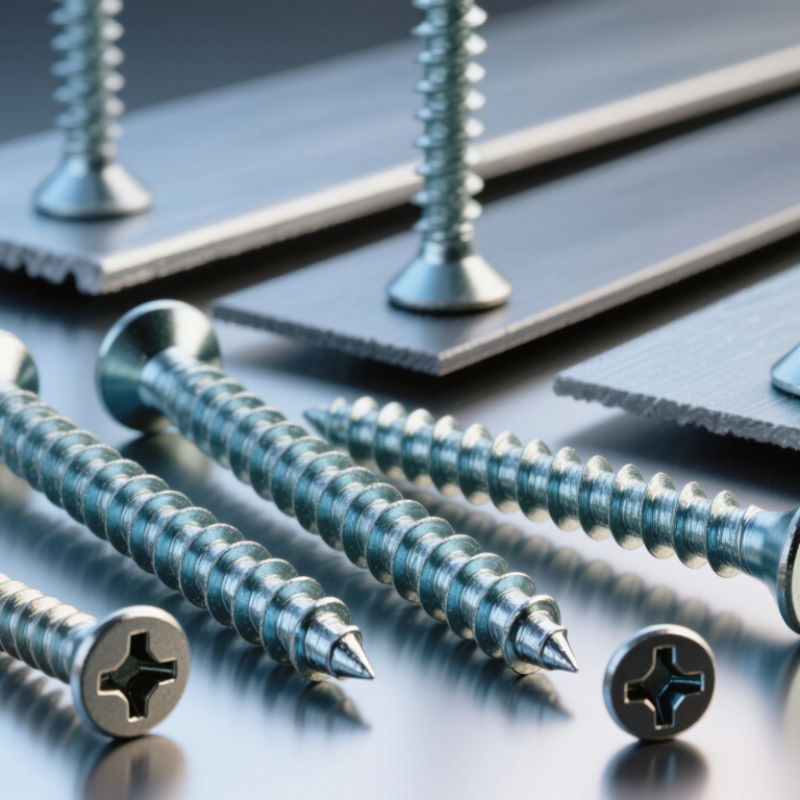
How to Choose Zinc Plated Self Tapping Screws in 2026?
Zinc-plated self-tapping screws are steel fasteners with a thin zinc coating. The coating helps slow rust in dry, moderately protected environments. It does not make the screw permanently corrosion-proof. These screws create or cut mating threads as they enter a prepared material. Their sharp threads grip sheet metal, plastic, wood, or thin composite panels, depending on the design.
Many models need a pilot hole. Some include a drill-shaped point and can pierce thin metal directly. Do not confuse these types. A self-tapping screw forms threads, while a self-drilling screw can also create its entry hole. During installation, the point starts the hole, and the threads remove or displace material. Controlled pressure and moderate driving speed reduce stripped heads and cracked plastic. They are not magic.
In practical selection, match the screw to the substrate first. Check thread shape, diameter, length, head style, and drive type. The screw should pass through the first material and engage the base securely without protruding excessively. Zinc plating suits indoor frames, cabinets, light equipment, and general repairs. It may perform poorly near salt spray, standing water, or harsh chemicals. I once chose a longer screw for extra strength, but it damaged the hidden panel behind the workpiece. That mistake still matters: measure the full assembly, not just the visible surface. Use a washer when the head may pull through soft material, and stop when the screw seats firmly. Over-tightening can destroy the threads.
Zinc-plated self-tapping screws form their own threads as they drive into materials such as sheet metal, plastic, or soft wood. The chart compares common electroplated zinc coating thickness classes with typical service-condition suitability. Thicker coatings generally provide more sacrificial corrosion protection, but the correct choice also depends on the base material, installation method, and exposure conditions.
Coating thickness values represent common zinc-plating classes of approximately 5, 8, 12, and 25 micrometres. Use the applicable fastener specification and confirm performance through testing for outdoor, high-humidity, or chemically exposed applications.
How to Choose Zinc Plated Self Tapping Screws in 2026?
Material matching begins with the base metal, not the screw box. For thin carbon steel, choose a sharp point and fine threads for quick penetration. For aluminum sheet, use wider-spaced threads and moderate driving torque. They reduce stripping. Do not guess.
The 2025 USGS Mineral Commodity Summaries reported global mine zinc production near 12 million metric tons in 2024. That scale supports zinc’s broad industrial availability, but it does not guarantee coating quality. Check the plating specification. ISO 4042 covers electroplated coatings for fasteners, while ISO 1478 defines tapping screw thread requirements. Ask for coating thickness, salt-spray results, and lot traceability. ASTM B117 exposure data can compare samples, but it cannot perfectly predict outdoor service.
Application details decide the final design. Use a pan head when a broad bearing surface is useful. Choose a countersunk head only when flush installation matters. A drill-point screw suits thicker steel; a sharp gimlet point suits thin sheet. In damp interiors, zinc plating may perform adequately with proper sealing. Coastal or constantly wet locations require more careful corrosion engineering. I would not rely on appearance alone. A bright finish can hide weak adhesion. Test the joint. Drive sample screws into the actual material, then inspect thread formation, head seating, and pull-out resistance. My earlier instinct was to prioritize hardness, but installation torque often controls real-world failure.
| Application | Recommended Substrate | Suitable Screw Design | Typical Size Range | Point / Thread Selection | Head and Drive | Indicative Pilot-Hole Guidance | Typical Zinc-Plating Details | Use Environment | Selection Notes |
|---|---|---|---|---|---|---|---|---|---|
| Sheet-metal panels and brackets | Mild steel sheet, galvanized steel sheet, aluminum sheet | Thread-forming tapping screw with a sharp Type A or Type AB point | #6 to #12; approximately 3.5 to 5.5 mm diameter | Coarse thread for thin sheet; use a sharp point when no pre-drilled hole is present | Pan head with Phillips, Pozi, or hexalobular drive | For pre-drilling, start near the screw minor diameter; confirm with a trial assembly | Electroplated zinc, commonly about 5–12 μm, with a clear or colored passivation layer | Dry indoor areas and light industrial interiors | Avoid excessive installation torque, which can strip thin sheet or damage the zinc layer |
| Electrical enclosures and control cabinets | Low-carbon steel, zinc-coated steel, aluminum enclosure panels | Fine- or medium-thread screw for controlled engagement and removable joints | M3 to M6; approximately 3 to 6 mm diameter | Use a finer thread where panel thickness allows; select a drill point for repeated production assembly | Pan or low-profile head; hexalobular drive helps reduce cam-out | Pilot hole should be tested for thread engagement, pull-out resistance, and panel distortion | Use a consistent plating class and inspect for bare areas after forming | Indoor electrical rooms and protected equipment areas | Zinc-plated carbon steel is not normally the first choice for condensation, washdown, or outdoor exposure |
| HVAC ducts and light-gauge ventilation | Galvanized sheet steel and thin carbon-steel duct components | Sharp-point or drill-point tapping screw with a low-profile head | #8 to #12; approximately 4.2 to 5.5 mm diameter | Coarse thread provides fast engagement in thin sheet; drill point is useful for overlapping layers | Hex washer head for installation with a nut driver; washer improves load distribution | Pre-drilling is often unnecessary in thin sheet, but verify penetration and burr formation | Clear zinc or zinc with supplementary passivation; coating must remain intact after installation | Indoor or sheltered building services | Seal penetrations when air leakage or moisture ingress could affect system performance |
| Wood-to-metal and composite-panel fastening | Wood or composite panel attached to a light-gauge steel frame | Sharp-point tapping screw with a coarse upper thread or broad bearing head | #8 to #14; approximately 4.2 to 6.3 mm diameter | Select thread length so sufficient engagement remains in the metal after passing through the panel | Modified truss, wafer, or hex washer head where a larger bearing area is required | Clearance hole in the panel may reduce lifting; pilot hole in steel should be confirmed by testing | Zinc plating provides basic indoor corrosion protection but does not replace a weather-resistant coating | Interior construction and protected assemblies | Check head pull-through, panel crushing, and minimum edge distance before production use |
| Plastic housings and molded components | ABS, polycarbonate, nylon, polypropylene, and similar engineering plastics | Thread-forming screw designed for plastics, with a blunt or specialized forming point | M2.5 to M5; approximately 2.5 to 5 mm diameter | Coarse thread and large thread flank area help reduce stripping in soft materials | Pan or countersunk head according to housing geometry; controlled drive is recommended | Use a pilot hole sized for the plastic grade, screw geometry, and required assembly torque | Zinc plating is generally suitable for dry indoor use; avoid galvanic contact with conductive moisture | Dry indoor electronics and consumer-product assemblies | Validate insertion torque, stripping torque, and repeated-assembly performance on the actual plastic |
| Furniture and interior hardware | Particleboard, MDF, plywood, thin metal fittings, and furniture hardware | Coarse-thread tapping screw or combination wood-and-metal fastening screw | #6 to #10; approximately 3.5 to 4.8 mm diameter | Coarse thread improves holding in fibrous board; avoid overlong screws that can break through the panel | Countersunk head for flush surfaces; pan head for brackets and concealed hardware | Pilot hole is recommended near edges and in dense board to reduce splitting or bulging | Bright zinc finish is commonly selected for appearance and indoor corrosion resistance | Dry interior spaces | Match head diameter and color with the hardware; decorative appearance does not indicate outdoor durability |
| Outdoor sheltered equipment | Coated steel, galvanized steel, aluminum, and outdoor-rated panels | Drill-point tapping screw with a sealing washer when water entry is possible | #10 to 1/4 in.; approximately 4.8 to 6.3 mm diameter | Use a drill point for multiple metal layers; ensure the point length does not create an unwanted projection | Hex washer head with EPDM or other compatible sealing washer | Pilot holes may improve consistency in thick material; do not overtighten and deform the washer | Standard zinc plating has limited outdoor durability; consider a thicker protective system for regular wetting | Sheltered exterior locations with limited moisture and low pollution | For exposed, coastal, chemical, or continuously damp locations, specify a more suitable corrosion-resistant fastener system |
| Thicker steel sections | Steel plate or structural sheet generally up to approximately 6 mm, subject to screw capacity | Self-drilling screw with a hardened drill point and suitable flute length | #10 to 1/4 in.; approximately 4.8 to 6.3 mm diameter | Choose a drill-point number and flute length that cover the combined material thickness | Hex washer head for high installation control; use a drive system compatible with the tool | Pre-drilling may be preferred when material thickness exceeds the screw's drilling capability | Inspect the drilled hole and exposed steel; damaged coating areas may require suitable touch-up protection | Indoor industrial or protected structural assemblies | Verify tensile, shear, pull-out, and drilling performance using the applicable engineering standard |
Zinc plating should match the service environment, not only the purchase price. ISO 9223 classifies atmospheric zinc corrosion from below 0.1 μm per year in C1 conditions to above 8.4 μm in severe CX exposure. Indoor storage rooms may need light protection. Coastal, humid, or industrial areas demand thicker plating and better passivation. Check ASTM B633 or ISO 4042 requirements for coating thickness, appearance, and adhesion.
Salt-spray results need careful judgment. ASTM B117 can compare batches, but its test hours do not directly equal outdoor service years. A screw passing 96 hours may still fail quickly after scratches, thread damage, or water entrapment.
Inspect the actual parts. Look for continuous coverage around the threads and under the head. Test torque and installation behavior, too. Overlooking these details is a common mistake.
The NACE IMPACT study estimated global corrosion costs at about 3.4% of worldwide GDP, showing why small fasteners deserve serious evaluation.
For high-strength screws, review hydrogen-embrittlement controls after electroplating. Select corrosion-resistant passivation for wet exposure, but avoid assumptions based on color alone.
Service temperature, salt contact, storage conditions, and maintenance should guide the specification. One choice rarely fits every site.
Choosing zinc plated self tapping screws starts with the material, not the screw box. Measure the combined thickness of the parts, then select a length that provides secure thread engagement without piercing hidden components. For thin sheet metal, a smaller diameter often reduces distortion. For harder materials, use a stronger screw and drill the pilot hole recommended by the supplier. Guessing here can cause stripped threads.
Thread design matters. Fine threads suit thin metal and create more engagement points. Coarse threads work better in softer materials, such as plastic or light timber. Check whether the screw cuts its own path or forms threads through pressure. I have seen oversized threads crack plastic housings, especially near edges. A short test on scrap material is worth the extra minute.
Match the head to the joint. Pan heads spread pressure above the surface, while flat countersunk heads sit flush. Hex washer heads offer strong clamping for brackets and panels. Select a drive that fits deeply, such as a compatible cross, star, or hex drive. Keep the driver straight and use controlled torque. Too much force damages the plating, drive recess, or workpiece. Zinc plating helps resist ordinary indoor corrosion, but it is not a permanent shield against constant moisture. My earlier choices were sometimes based on appearance; checking load, fit, and environment gives more reliable results.
Choosing zinc plated self tapping screws in 2026 requires more than checking the lowest price. Examine the coating for even coverage, clean threads, and a firm, undamaged point. A white powder, dark stains, or rough patches may indicate poor storage or inconsistent plating. Check the manufacturer’s test data for salt spray performance, hardness, tensile strength, and coating thickness. Numbers matter.
Compatibility comes before installation. Match the screw material with the base metal, panel thickness, thread design, and expected load. For outdoor steel panels, confirm whether the zinc layer provides enough corrosion resistance for humidity, rain, or coastal air. Do not assume every zinc plated screw is suitable for treated wood or aluminum. Galvanic corrosion can develop quietly. I once selected a screw by diameter alone, and the threads stripped during fitting. That mistake was avoidable.
Use the recommended drill size and keep the driver aligned with the screw head. Stop when the washer seals the surface; excessive torque can crush thin panels or damage the coating. In 2026, review the latest applicable ISO, ASTM, or EN requirements, together with local construction rules. Ask for batch traceability and a current conformity statement. Standards change. Product sheets can lag behind. A small sample test remains valuable, especially when installation conditions differ from the supplier’s laboratory results.
Use a sharp point and fine threads for quick penetration. Test one sample first. Thin sheets can deform easily.
Choose wider-spaced threads and moderate driving torque. This reduces stripping. Aluminum feels soft, but it still resists poor alignment.
Use a drill-point screw for thicker steel. A sharp gimlet point suits thin sheet. Match the point to material thickness.
Choose a pan head for broad bearing support. Use a countersunk head when a flush surface matters. Do not force either design.
Check for even coverage, clean threads, and an undamaged point. Avoid white powder, dark stains, and rough patches. Appearance alone misleads.
Request coating thickness, salt-spray results, hardness, tensile strength, and batch traceability. Current conformity documents also help. Numbers matter.
They may suit protected, damp interiors with proper sealing. Constant rain, coastal air, or wet exposure requires deeper corrosion planning.
Use the recommended drill size and keep the driver straight. Stop when the washer seals the surface. Excessive torque can crush thin panels.
Compatibility includes base metal, panel thickness, thread design, and expected load. A diameter-only choice once caused stripped threads. That mistake was avoidable.
Yes. Drive samples into the actual material. Inspect thread formation, head seating, coating damage, and pull-out resistance. Laboratory results may not match reality.
Choosing the right Zinc Plated Self Tapping Screw in 2026 requires more than selecting a suitable size. These screws form their own threads as they enter materials, making them useful for metal, plastic, wood, and light construction applications. Selection should begin with the material thickness, hardness, and expected load. Thread shape, point design, head style, and drive type must match the installation method and the required holding power.
Zinc plating provides basic protection against moisture and corrosion, but performance depends on coating quality, exposure conditions, and whether additional protection is needed. Buyers should confirm plating thickness, surface consistency, corrosion-resistance requirements, dimensional accuracy, and compatibility with the joined materials. Correct length, diameter, thread pitch, and head configuration help prevent stripping, cracking, or weak fastening. During installation, use the recommended tool, speed, and torque, and check current 2026 project standards and supplier documentation to ensure reliable quality and compliance.