Choosing the right Wood Screw for your project can seem daunting. With numerous options available, each requires careful consideration. Industry reports indicate that 70% of construction failures relate to improper fastener selection. This highlights the importance of making informed decisions.
According to John Smith, a leading expert in fastening technology, “Selecting the appropriate Wood Screw is critical for structural integrity.” Choosing the right material, length, and thread type is vital. Each project has unique requirements. Improper choices may lead to weakened structures or costly repairs later on. Understanding the specifications of Wood Screws can prevent these common pitfalls.
In today’s market, builders and DIY enthusiasts must navigate a variety of screws. There is no one-size-fits-all solution. Personal experiences and expert guidance play a significant role in this process. Investing time in research can lead to better outcomes. Being mindful of details makes the difference in quality construction. Selecting the right Wood Screw is more than just a technical choice; it is an art.
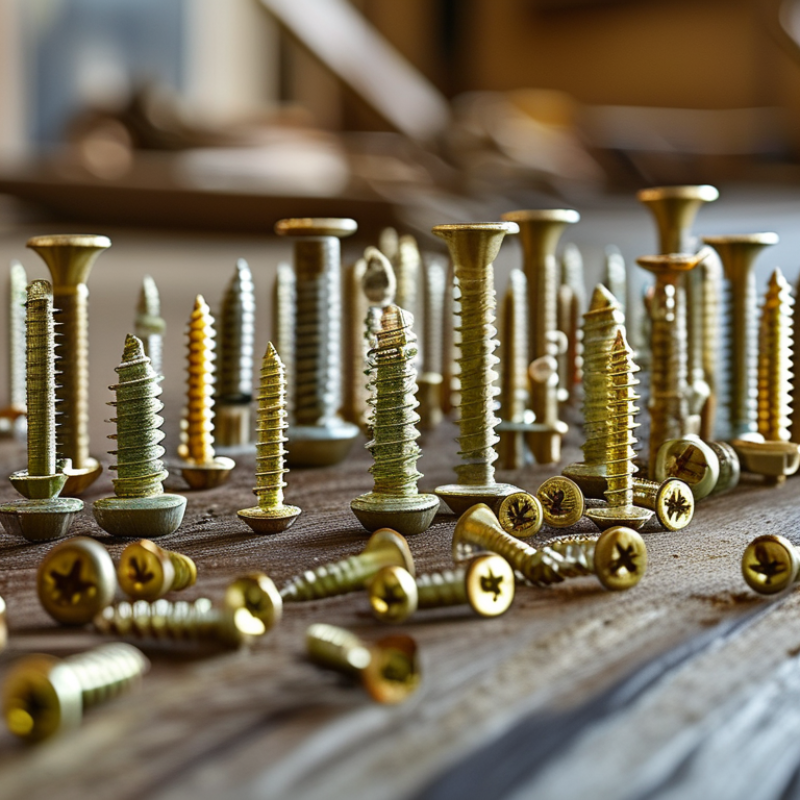
Choosing the right wood screw is crucial for project success. Different types of screws serve various functions. For instance, wood screws feature a sharp point to dig into the wood. They often have a coarse thread to grip securely. In contrast, drywall screws, while similar, are designed specifically for attaching drywall.
Consider using flat-head screws for countersinking. This allows the screw head to sit flush with the surface. Torx drive screws provide better grip, reducing slippage. Each type has distinct advantages depending on the application.
Tips: Always match the screw length to the thickness of the wood. A screw that's too long can split the wood. Don’t forget to pre-drill holes for larger screws. This helps avoid damaging the wood. Pay attention to material compatibility as well. Using stainless steel screws for outdoor projects is reliable.
Choosing the right wood screw involves more than just size and type. The material of the screw is crucial for durability. Different projects require different corrosion resistance based on their environment. A recent study shows that stainless steel screws offer great resistance to rust, especially in humid conditions.
On the other hand, galvanized screws provide a decent balance of cost and protection. They undergo a zinc coating process that helps fend off corrosion. Yet, over time, this coating can wear off. This may lead to exposure of the underlying steel. For outdoor projects, where moisture is prevalent, selecting the right material can save repairs later.
In contrast, traditional steel screws are less expensive but can be prone to rust. Their lifespan is reduced significantly in harsh environments. Proper material assessment is necessary. This choice can make or break a project. Conducting a project-specific analysis is often overlooked, yet it ensures the longevity of your work.
Choosing the right screw length and diameter is crucial for any woodworking project. A screw that is too short may not provide enough holding power. In contrast, a screw that is too long can split the wood, compromising the joint’s integrity. To achieve optimal results, measure the thickness of the wood carefully. Use a screw that penetrates at least half the thickness of the second piece of wood being joined.
Diameter also plays a significant role. A thicker screw generally offers better strength. However, if the screw is too thick for the material, it may lead to potential splitting or cracking. A good rule of thumb is to aim for a diameter that matches the density of the material used. Softer woods can handle thicker screws, while harder woods often require a more modest diameter.
When selecting screws, testing can be invaluable. Experiment with different lengths and diameters on scrap pieces first. This approach helps in identifying which screws offer the best performance under your specific conditions. Consider the type of wood and the forces acting on the joint. Reflecting on your project’s demands will guide you toward the right choices.
When selecting screws, the drive type matters significantly. Phillips, slotted, and Torx are common drive options. Phillips screws have a cross shape, which allows for better grip. They are widely used due to their popularity and ease of finding the right screwdriver. The downside? They can slip out if too much torque is applied. It’s crucial to apply the right pressure.
Slotted screws are simpler, with a single horizontal slot. They are easy to drive but less effective in high-torque applications. Users often struggle with slippage and need to ensure a steady hand. Some might prefer them for basic projects, but they may require more focus.
Torx screws, with their star-shaped design, offer superior grip. They reduce slipping and allow for higher torque. Many professionals prefer Torx for projects requiring durability. However, they also require a specific tool which can limit their use. It’s essential to have the right tool on hand, or you might find yourself struggling with alternatives. Ultimately, choosing the right drive type is as much about the project as it is about personal comfort with the tools available.
| Drive Type | Advantages | Disadvantages | Common Uses |
|---|---|---|---|
| Phillips | Self-centering and provides good torque | Can cam out easily under high torque | Woodworking, general construction |
| Slotted | Simple design, easy to find | Limited torque control, high risk of slipping | Basic household repairs, non-structural applications |
| Torx | Superior grip, reduces cam-out | Requires specific bit, less common | Furniture assembly, automotive applications |
When selecting wood screws, understanding thread design is crucial. Threads play a significant role in how well a screw performs in wood. Fine threads provide a tighter grip in dense materials, while coarse threads excel in soft woods. According to a report by the American Wood Council, the shear strength of fasteners can be influenced by the thread design, revealing a 15% increase in holding power when using coarse threads in softwoods.
Coarse threads are often considered more versatile. They can engage more wood fibers, leading to a stronger bond. A study by the Fasteners Industry Association suggests that coarse-threaded screws can reduce the risk of splitting in softer wood types. On the other hand, fine threads are more suitable for hardwood applications. They create a more precise fit and reduce the likelihood of the screw loosening over time.
Choosing the right thread can significantly affect the success of your project. Consider the specific wood type you'll be working with. If you’re unsure about your choice, it might be worth some experimentation. Testing different screws on scrap wood can provide valuable insights. Ultimately, understanding thread design can lead to better overall performance and project durability.
: Wood screws feature a sharp point to dig into wood effectively. They have a coarse thread for a secure grip.
Flat-head screws allow the screw head to sit flush with the surface. This creates a smooth finish on the project.
Always match the screw length to the wood thickness. Also, pre-drilling holes for larger screws helps prevent damage.
Common drive types include Phillips, slotted, and Torx. Each offers advantages and challenges based on your project needs.
Torx screws provide superior grip and reduce slipping. They can handle higher torque, making them ideal for durable projects.
Slotted screws are simple with one horizontal slot, but they can slip easily. A steady hand is essential for effectiveness.
Yes, using the wrong tool can limit effectiveness. If you lack the right tool, you might face struggles during installation.
The drive type impacts performance. Choosing one depends on personal comfort and the specific demands of your project.
Choosing the right wood screw for your project involves understanding various factors that impact its performance. First, it's essential to recognize the different types of wood screws and their specific applications, which can range from fine to coarse threading based on the materials involved. Durability is another critical aspect; hence, assessing the screw material for both strength and corrosion resistance is necessary to ensure longevity.
The length and diameter of the screw must also be carefully evaluated to achieve optimal holding power, while selecting the correct drive type, whether Phillips, slotted, or Torx, can significantly influence ease of use and torque. Lastly, understanding the importance of thread design—where fine threads offer better grip in hard woods and coarse threads work well in soft woods—will help you select the most suitable wood screw for your project, ensuring reliable and sturdy results.