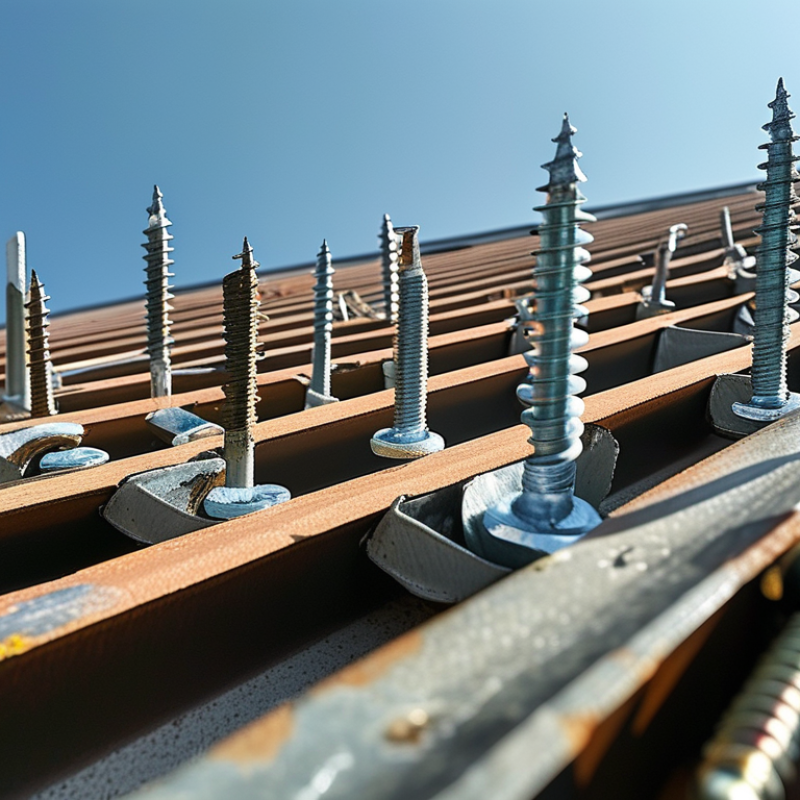
Choosing the best roofing screw for your project can feel overwhelming. With numerous options available, it's vital to understand the characteristics of each type. Roofing screws play a crucial role in ensuring the durability and integrity of your roof. Poor choices can lead to leaks and costly repairs.
When selecting roofing screws, consider factors like material, length, and coating. Steel screws are often the strongest choice, while stainless steel offers excellent resistance to corrosion. Additionally, the screw length must match the thickness of your roofing material. It's important to ensure a secure fit to prevent issues later on.
Inexperience can lead to mistakes that compromise your roofing project. Not all screws are created equal, and using the wrong type can be detrimental. Take time to research and consult reliable sources. Your roof deserves quality materials that will stand the test of time.
Understanding Different Types of Roofing Screws
Choosing the right roofing screw is crucial for the longevity of your project. Various types of roofing screws are available, each designed for specific applications. For instance, metal-to-metal screws feature drill points that enable quick installation. In contrast, metal-to-wood screws come with different thread designs, enhancing grip and load-bearing capacity. According to industry data from the Metal Construction Association, improper screw selection can lead to leaks and structural failures.
When selecting roofing screws, consider the materials involved. Stainless steel screws resist corrosion and are ideal for coastal areas. Alternatively, galvanized screws are cost-effective for less demanding environments. As noted by the National Roofing Contractors Association, the wrong screw can damage your roofing material, increasing maintenance costs.
Tips: Always check for compatibility with your roofing system. Select screws that match the thickness of the materials. Ensure you use the right driver bit for better torque and control. Remember, a little initial care can save you from future headaches. A thoughtful selection can lead to a safe and secure roofing solution.
Factors to Consider When Selecting Roofing Screws
Choosing the right roofing screw is crucial for durability and performance. Several factors influence this decision. First, consider the material compatibility. Steel screws are common, but corrosion-resistant options may be necessary for coastal areas. According to the American Society of Civil Engineers, using inappropriate materials can lead to structural failures.
Next, assess the screw’s coating. Various coatings impact weather resistance. For example, galvanized screws offer significant protection against rust. A study by the Roofing Industry Alliance shows that improperly coated screws can reduce lifespan by over 30%.
Finally, evaluate the screw size and thread type. The screw should penetrate the roofing material adequately. Too short a screw can result in leaks. Research indicates that a 1-inch penetration is often ideal for most roofing systems. An industry report from the National Roofing Contractors Association highlights that selecting the right thread type minimizes stress on materials and enhances hold strength.
In summary, understanding these factors is essential for selecting roofing screws. Always review material specifications and environmental conditions for the best outcomes.
Material Composition and Corrosion Resistance of Roofing Screws
Selecting the right roofing screw involves understanding material composition and corrosion resistance.
Roofing screws are not just simple fasteners; their longevity depends on the materials used.
Common choices include stainless steel, galvanized steel, and aluminum.
Each offers varying levels of durability against harsh weather conditions.
Stainless steel screws provide excellent corrosion resistance. They are suitable for coastal areas with high humidity.
However, they can be more expensive than other options.
Galvanized screws are coated with zinc to resist rust. While effective, they may wear down faster in severe climates.
Aluminum screws are lightweight and resistant to corrosion, but their tensile strength is lower compared to steel.
It's also essential to consider the environment. Factors like temperature fluctuations and moisture levels can impact performance.
Sometimes, contractors overlook these details, leading to early deterioration of the roofing system.
To avoid this, understanding the specific application and environment is crucial.
The right choice can ensure better protection and durability of the roofing material.
Sizing and Length Options for Roofing Screws
When selecting roofing screws, size and length are crucial factors. The right size ensures a secure fit, which protects against leaks and weather damage. Consider the thickness of the materials you will be installing. A screw that is too short may not provide adequate holding power. Conversely, selecting one that is too long can penetrate deeper than necessary, risking damage to underlying structures.
Length options typically range from one inch to several inches. A general rule is to choose screws that penetrate at least ¾ of an inch into the substrate. This length allows for optimal grip. But be mindful; different projects require different lengths. For thinner materials, shorter screws suffice. A more significant challenge arises when working with layered surfaces.
Consulting local building codes can also provide insights into preferred sizes. It’s essential to ensure screws can withstand local weather conditions. High winds or heavy snowfall can compromise lesser quality screws. Ideally, you might wish for a balance between length and overall durability. Many find themselves re-assessing their choices after initial installations. It's an ongoing learning process.
Installation Techniques for Optimal Performance of Roofing Screws
When it comes to roofing screws, installation techniques play a crucial role in achieving optimal performance. Surveys indicate that improperly installed screws can lead to leaks and structural damage. The correct torque settings are vital. Over-tightening can strip screws, weakening the hold. Aim for a torque that secures without compromising the screw's integrity.
Using the right tools is essential. Power tools with adjustable torque settings ensure precision during installation. Manual screwdrivers also allow for better feel and control, especially in tight spaces. Opt for screws with sealing washers to improve waterproofing. Studies show that 75% of roof failures relate to poor screw installation techniques.
Tips: Always pre-drill holes if working with dense materials. This helps prevent cracking and ensures a snug fit. Additionally, make sure to space your screws according to local building codes. Unsuitable spacing can weaken the roof's structure. Regular inspections can help identify any signs of wear or improper installation. Remember, even the best materials require proper handling to perform optimally.
Conclusion
When selecting the best roofing screw for your project, it's essential to understand the various types available and how they meet your specific needs. Different roofing screws are engineered for diverse applications, making it crucial to consider factors such as material composition and corrosion resistance. High-quality roofing screws should be made from durable materials to withstand environmental wear, ensuring longevity and performance.
Additionally, sizing and length options play a significant role in effective installation. Choosing the correct dimensions helps secure roofing materials adequately, minimizing the risk of leaks or damage. Proper installation techniques, such as pre-drilling and using appropriate torque settings, can further enhance the performance of roofing screws. By taking these aspects into account, you can make an informed decision and select roofing screws that will effectively contribute to the durability and integrity of your roofing project.