2026 Best Bugle Head Drywall Screw for Global Buyers?

Time:2026-09-27 Author:Mason
0%

Choosing the 2026 best Bugle Head Drywall Screw requires more than comparing prices or polished product photos. Global buyers need reliable performance across different boards, climates, tools, and project standards. A screw that works well in a dry interior may fail in humid storage areas or during high-volume installation.

This guide examines practical details, including thread design, sharpness, coating quality, head shape, point geometry, and packaging accuracy. The right Bugle Head Drywall Screw should sink smoothly without tearing the paper face. It should hold firmly while reducing cracking, stripping, and unnecessary rework. Experienced installers often notice small differences at the first dozen screws. Hand fatigue, driver control, and consistent depth matter.

Real jobsite conditions can be unforgiving. Dust gathers around the driver bit. Slightly warped boards expose weak products quickly. Some coatings also look excellent but scratch easily during transport. That deserves attention. Product descriptions alone cannot prove long-term reliability, so buyers should review test data, manufacturer experience, batch control, and customer feedback.

This comparison will help distributors, contractors, and project purchasers build a clearer buying checklist. It will consider both technical performance and supply practicality, including carton labeling, size consistency, and international shipping protection. No single screw fits every wall system. That is worth admitting. Careful selection remains more dependable than chasing a universal “best” product.
2026 Best Bugle Head Drywall Screw for Global Buyers?

What Is a Bugle Head Drywall Screw?

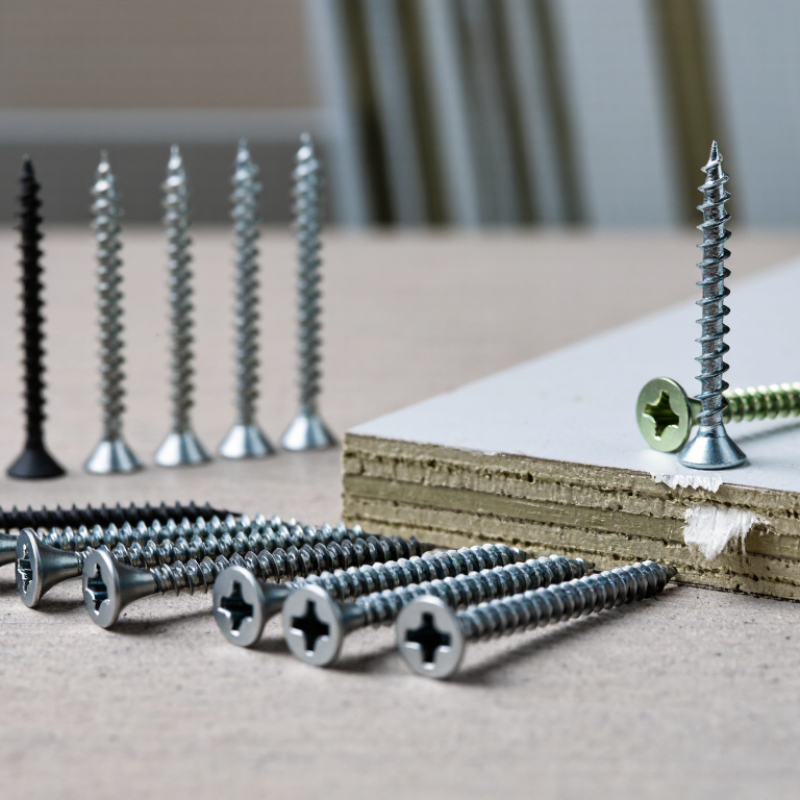
A bugle-head drywall screw has a flared, trumpet-like underside beneath its head. This shape helps the head sit slightly below the board surface without cutting a sharp, flat-edged crater. The goal is a clean recess, not a torn paper face. Too deep, though, and the paper may break, weakening the fastener’s hold.

The head shape is only part of the specification. ASTM C1002 covers steel screws used to attach gypsum panels to wood framing and to light-gauge steel framing up to 0.033 inch thick. ASTM C954 covers screws for gypsum panels attached to heavier steel framing, from 0.033 to 0.112 inch thick. These limits help buyers match screw type to the supporting frame. GA-216 installation guidance also varies fastener spacing by board, framing, and application; one spacing figure does not fit every wall or ceiling.

For purchasing, check the head profile, thread, point, length, coating, and stated substrate range. A coarse thread generally suits wood framing, while a fine thread is commonly used with steel studs. Confirm the screw holds the board firmly without breaking its face paper. Small detail. A sample installation can reveal problems that a product sheet misses, though it cannot replace checking the relevant standard and project requirements.

Key Features of the Best Drywall Screws in 2026

For global buyers, the best bugle-head drywall screw is not simply the sharpest or cheapest option. Its countersunk head should sit flush without tearing the paper face, while the drive recess should resist cam-out during installation. A coarse thread suits wood framing; a fine thread is generally used with steel studs. Small detail. Big consequence.

The Gypsum Association’s GA-216-2021 installation standard gives practical benchmarks: typical maximum screw spacing is 12 inches on ceilings and 16 inches on walls, subject to the specified assembly. It also calls for at least 5/8 inch of penetration into wood framing and 3/8 inch into steel framing. These figures make screw length and reliable seating important, not cosmetic. ASTM C1002-22 covers steel screws used to attach gypsum panels to wood and steel framing, offering buyers a recognized specification to check against.

For demanding sites, compare coating and corrosion-resistance documentation with the actual exposure; a standard interior screw is not automatically suitable for damp conditions. Check thread consistency, point sharpness, head dimensions, and drive fit on sample boards before ordering at volume. I would test both wood and steel assemblies. One limitation remains: a fast installation test cannot prove long-term performance, and a slightly damaged panel can distort the result.

How to Choose Screw Size, Thread, and Coating

For a bugle head drywall screw, start with the board thickness and framing material. A 1/2-inch panel on wood studs commonly takes a 1-1/4-inch screw; thicker panels may need more length. The screw should penetrate the framing enough to hold firmly without reaching hidden services. Check the project specification, too. Small details matter.

Thread choice depends on the frame. Coarse threads generally grip wood well, while fine threads are often used with metal studs. Match the screw to the stud gauge and the installation tool. A bugle head is shaped to sit slightly below the surface, but driving too deep can break the paper face and weaken the hold. Set the driver carefully, then inspect a few screws before continuing. I would not assume one setting works across every board.

For indoor, dry rooms, use a coating intended for standard interior drywall work. In damp areas, select fasteners rated for the exposure and compatible with the surrounding materials; ordinary drywall screws are not a substitute for exterior or structural fasteners. Coating names can be confusing, so verify the technical data sheet rather than relying on appearance alone. A small sample installation can reveal issues, though it may not predict every site condition. Check local project requirements before ordering in bulk.

2026 Best Bugle Head Drywall Screw for Global Buyers? - How to Choose Screw Size, Thread, and Coating

Typical Application Common Screw Size Thread Type Common Point Type Typical Coating Selection Guidance
1/2-inch gypsum board attached to wood framing #6 × 1-1/4 in (about 3.5 × 32 mm) Coarse thread Sharp point Phosphate finish for dry interior use A common interior combination. Confirm the screw reaches sufficiently into the framing and is suitable for the board and framing materials.
5/8-inch gypsum board attached to wood framing #6 × 1-5/8 in (about 3.5 × 41 mm) Coarse thread Sharp point Phosphate finish for dry interior use The added length accommodates the thicker board while providing embedment in the wood framing.
1/2-inch gypsum board attached to light-gauge steel studs #6 × 1-1/4 in (about 3.5 × 32 mm) Fine thread Sharp point for thin steel; self-drilling point when required by steel thickness Phosphate finish for dry interior use Fine threads are commonly used for steel studs. Check the screw maker’s guidance for stud thickness and whether a drill point is needed.
5/8-inch gypsum board attached to steel framing #6 × 1-5/8 in (about 3.5 × 41 mm) Fine thread Sharp or self-drilling point, as required by the framing Phosphate finish for dry interior use Choose the point and length for the actual board thickness and steel gauge; verify compatibility with the specified wall system.
Gypsum board attached to wood framing in a dry interior area #6 is common; length depends on board thickness and layers Coarse thread Sharp point Phosphate finish Use longer screws for multiple board layers. Avoid driving the bugle head through the face paper.
Gypsum board in a location with elevated moisture or corrosion exposure Size selected for the board and framing Coarse thread for wood; fine thread commonly for steel Selected for framing material and thickness Corrosion-resistant coating specified for the exposure and assembly Standard phosphate-finished drywall screws are generally intended for dry interiors. Follow the wall-system specification; do not assume a coating makes a screw suitable for exterior exposure.

Buying check: Confirm nominal diameter, length, thread, point, head style, coating, packaging quantity, and applicable project requirements. Dimensions and combinations shown are common examples, not a substitute for local building codes or the assembly manufacturer’s instructions.

Performance Standards for Global Construction Projects

Performance Standards for Global Construction Projects

A bugle head drywall screw must seat cleanly without tearing the paper face of the board. On site, installers can check this by driving sample screws into the specified board and framing material. The head should sit slightly below the surface, not break through it. Too much torque can weaken the fixing. Too little can leave the head proud. Small details matter. Thread design, screw length, and point type should match the substrate, whether it is timber or light-gauge steel.

Global projects need documented performance, not just a familiar product description. Compare test data for pull-out resistance, head pull-through, and corrosion protection with the project specification and local requirements. Coating suitability depends on moisture and exposure; a finish intended for dry interiors may not suit a humid service area. Packaging should identify dimensions and material clearly, so crews can verify deliveries across languages and job sites. Not every site agrees. Even a well-tested screw can perform poorly if installers use the wrong driver setting or spacing.

Tips: Run a small installation trial before bulk use. Inspect several finished fixings under good light, then record the screw size, board type, framing, and driver setting. Keep a few samples for comparison. A rushed trial can miss problems, so check again when site conditions change.

Buying and Quality-Checking Drywall Screws Internationally

2026 Best Bugle Head Drywall Screw for Global Buyers?
Buying drywall screws internationally takes more than comparing prices. A dependable order starts with a clear specification: screw length, diameter, thread type, point style, and head dimensions. For a bugle head, check that the underside curves smoothly and sits flush without tearing the board paper. Request a current product drawing and a sample from the same production lot planned for shipment. Small details matter.

Before ordering, confirm the steel grade, coating type, and intended installation environment. A coating suitable for dry interiors may not perform well in damp conditions. Ask for inspection records, measurement results, and relevant test documents, then compare them with your written requirements.

On arrival, inspect several boxes, not just the top layer. Measure screw length and shank diameter with basic gauges; examine threads for burrs or uneven spacing. Test a small sample in the drywall and framing material you actually use. Look for clean driving, a seated head, and minimal surface damage.

Packaging deserves attention too: moisture inside a carton can cause problems before installation. One imperfect sample does not prove an entire shipment is poor, but it should prompt a closer check. Not always. Keep photos and inspection notes, and agree on how defects will be handled before production begins.

FAQS

What screw length suits a 1/2-inch drywall panel on wood framing?

A 1-1/4-inch screw commonly works. It should enter the framing firmly without reaching hidden services.

Should I choose coarse or fine threads?

Coarse threads generally grip wood well. Fine threads often suit light-gauge metal framing. Match the stud gauge.

How deeply should the screw head sit?

Set the bugle head slightly below the board surface. Do not break the paper face. That weakens the hold.

What happens if the driver applies too much torque?

Excessive torque can tear the paper and reduce fixing strength. Too little torque leaves the head proud. Check several screws.

Which coating suits a dry indoor room?

Use a coating intended for standard interior drywall work. Appearance alone is unreliable. Check the technical data sheet.

Can ordinary drywall screws be used in damp areas?

Not always. Choose fasteners rated for the exposure and compatible with nearby materials. A dry-room coating may fail in humid conditions.

How can crews verify screw performance on site?

Drive sample screws into the specified board and framing. Inspect the heads under good light. Record the size, substrate, and driver setting.

What should be checked before ordering screws in bulk?

Confirm dimensions, material, thread type, point type, coating, and project requirements. Keep a few installed samples. A rushed trial can miss problems.

Conclusion

A Bugle Head Drywall Screw is designed to fasten drywall securely while allowing its countersunk head to sit neatly beneath the board’s surface. Choosing the best option in 2026 means considering more than head shape: screw length, thread design, point style, and protective coating all affect installation speed, holding strength, and suitability for wood or metal framing. The right combination helps reduce surface damage and supports a clean, durable finish.

For global construction projects, buyers should compare product dimensions and performance against the specifications required for their applications, while checking consistency in materials, coating, and manufacturing quality. Before placing an international order, confirm samples, packaging details, inspection procedures, and shipment requirements with the supplier. Careful evaluation of these factors can help teams select reliable drywall screws that meet project needs across different climates, building methods, and job-site conditions.


Mason

Mason

Mason is a seasoned marketing professional with a deep expertise in the company's offerings and a passion for driving brand awareness. With a strong background in digital marketing strategies, he has an innate ability to connect with diverse audiences and effectively communicate product benefits.......